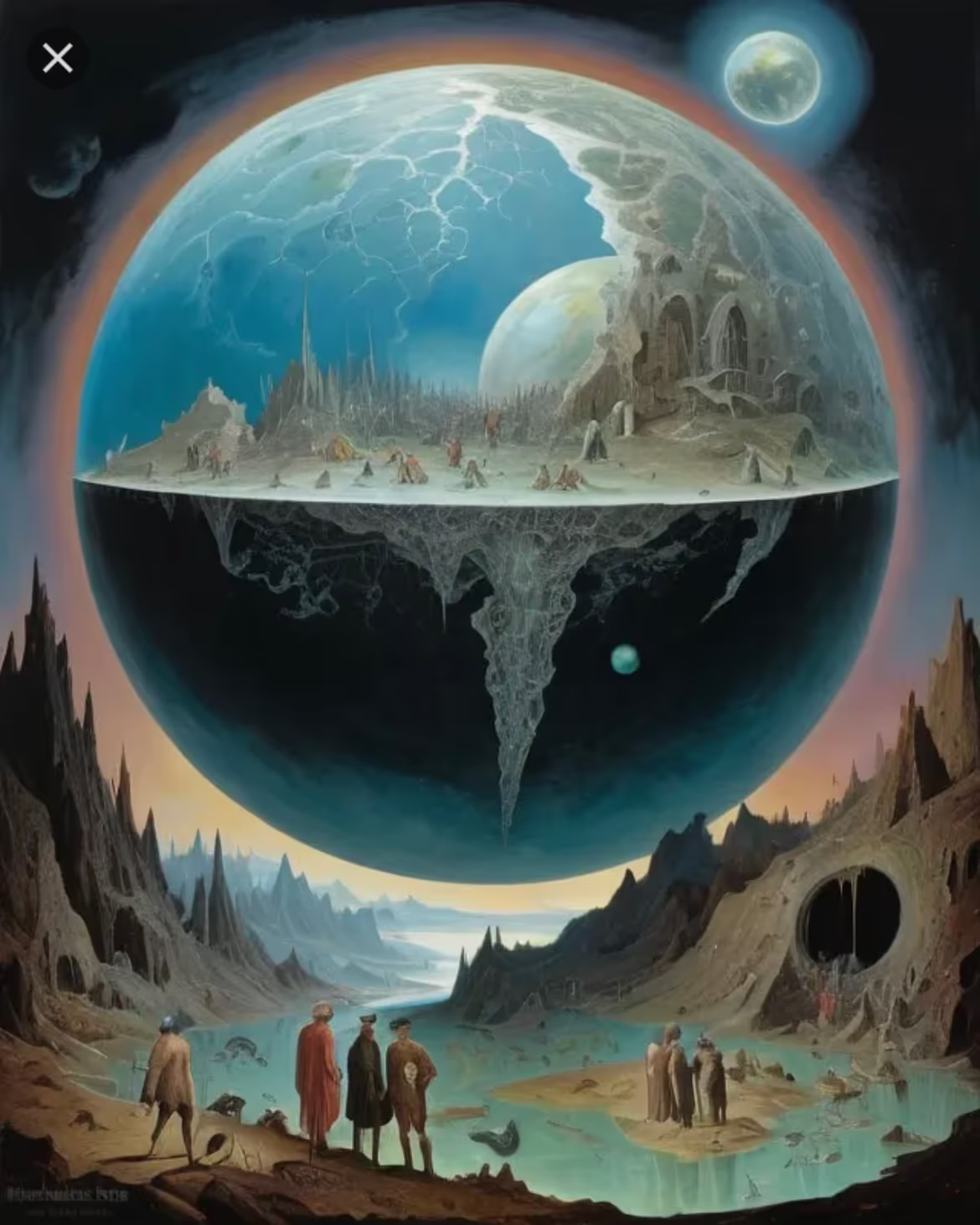
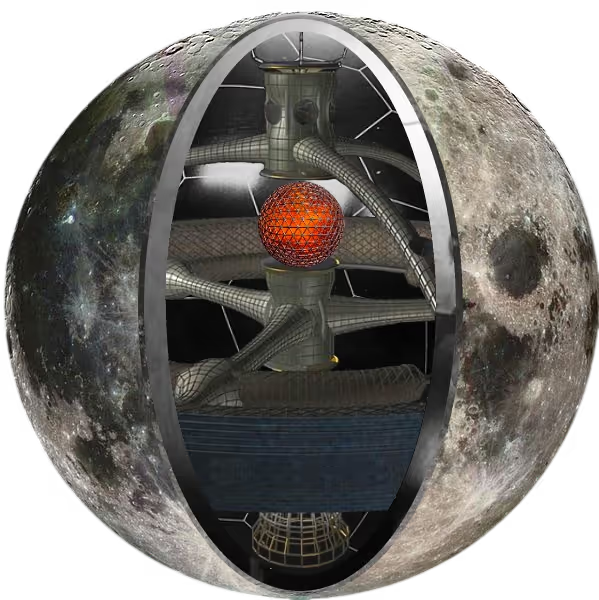
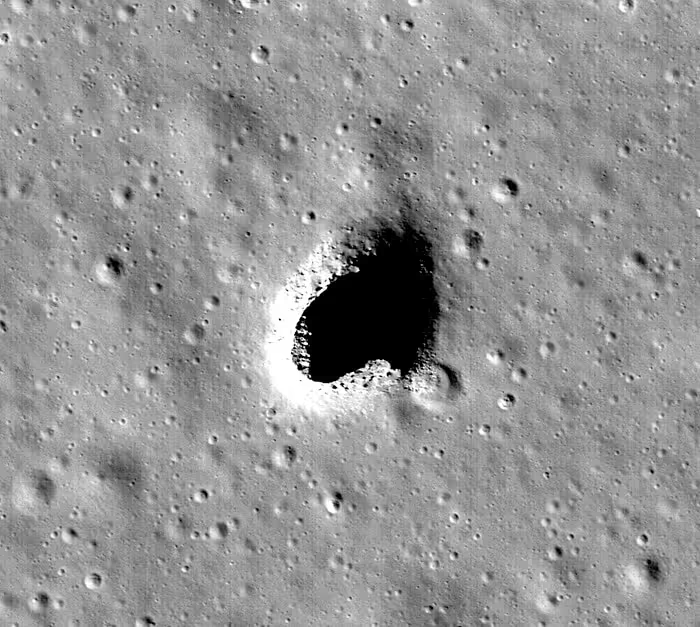
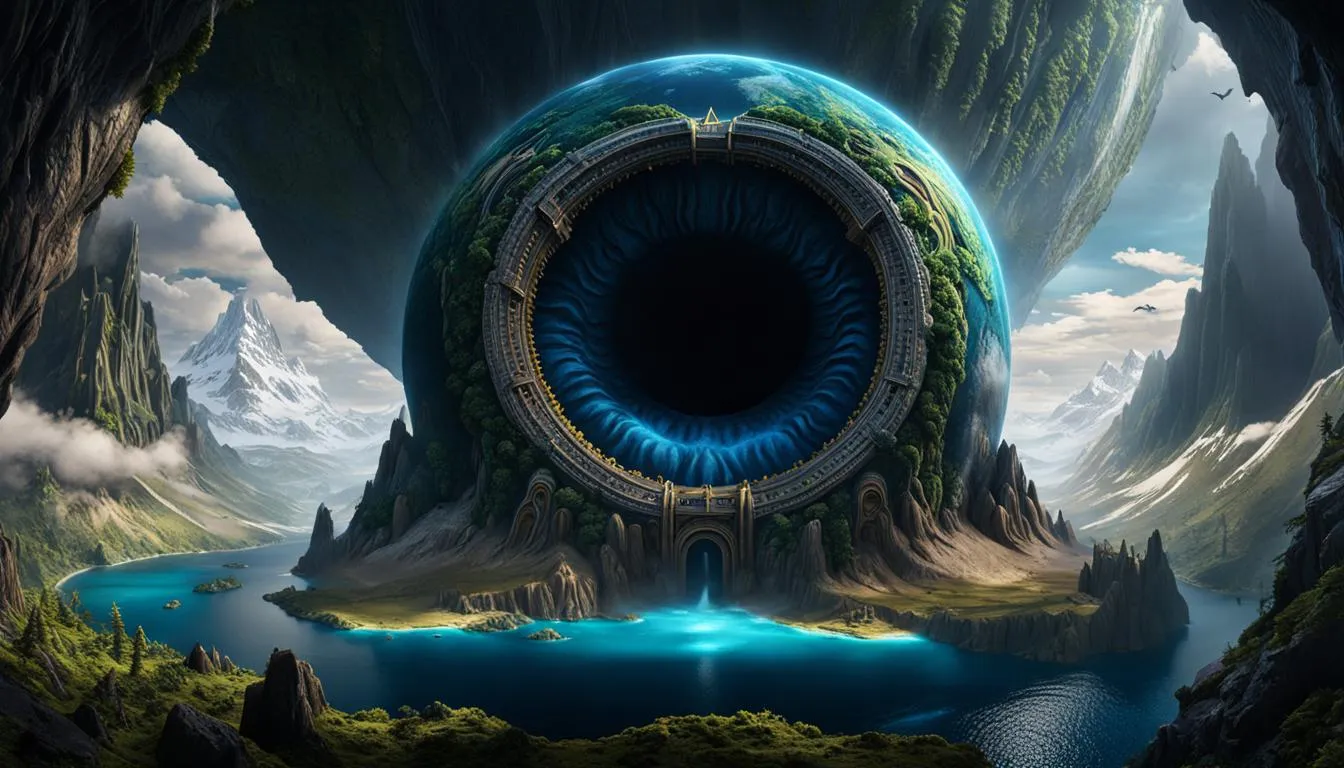
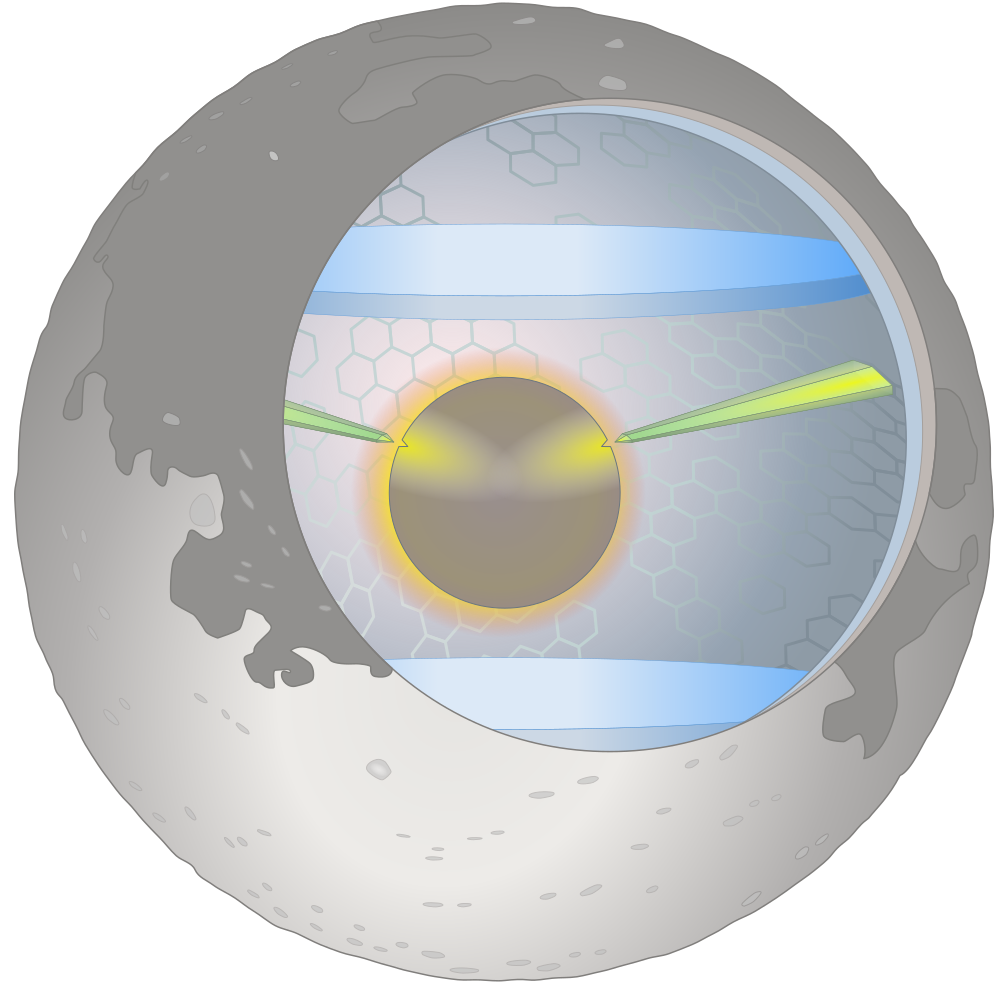
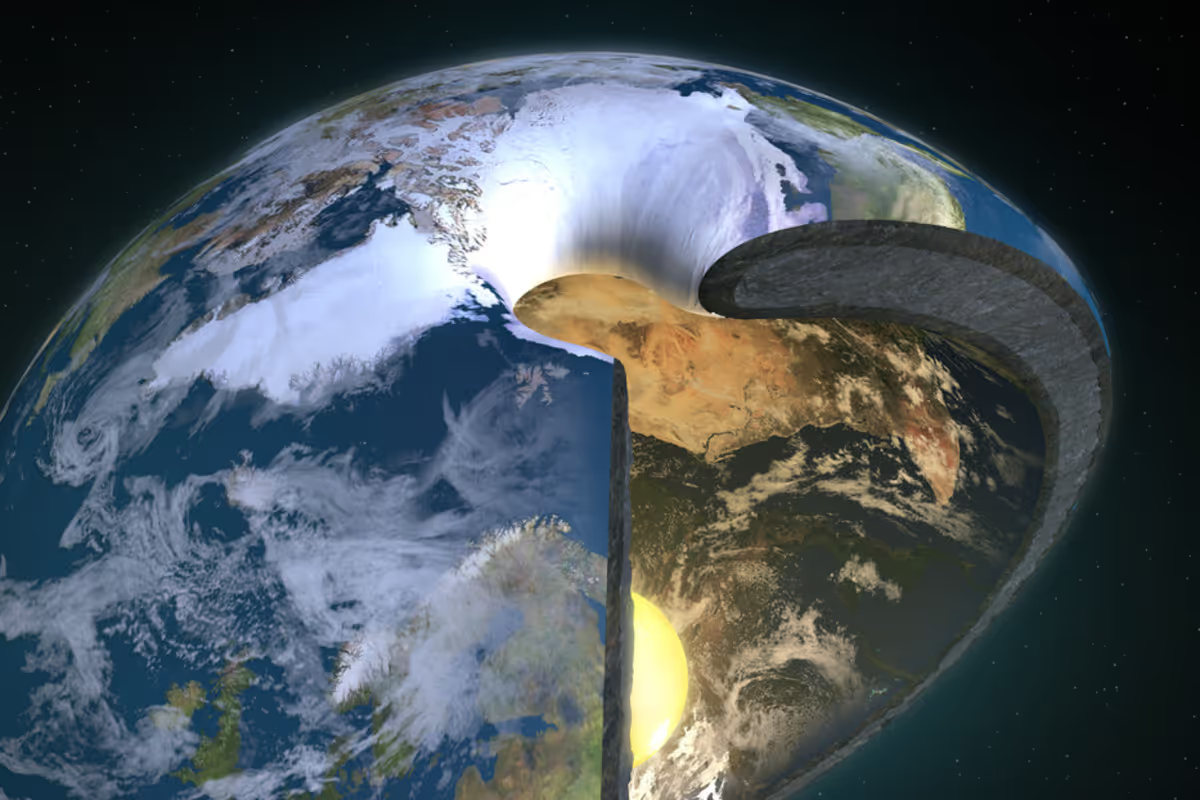
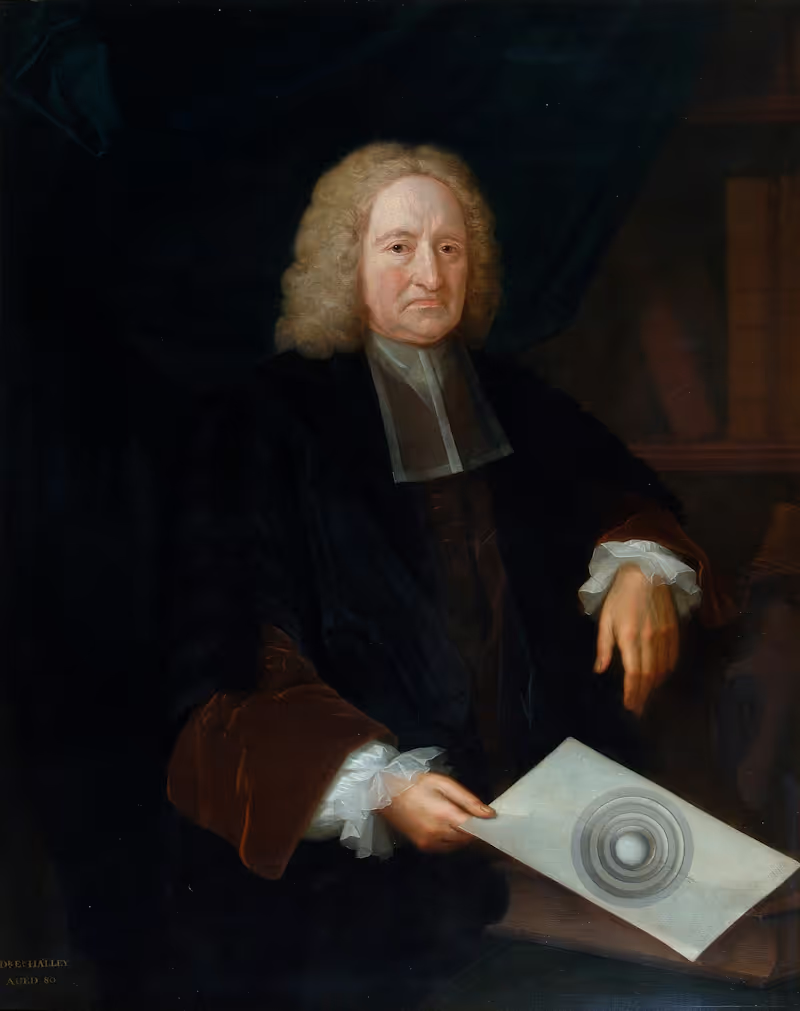
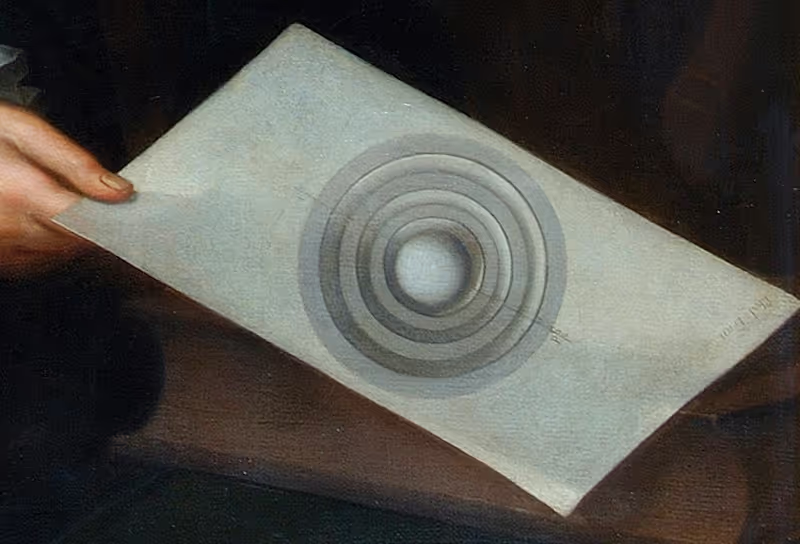
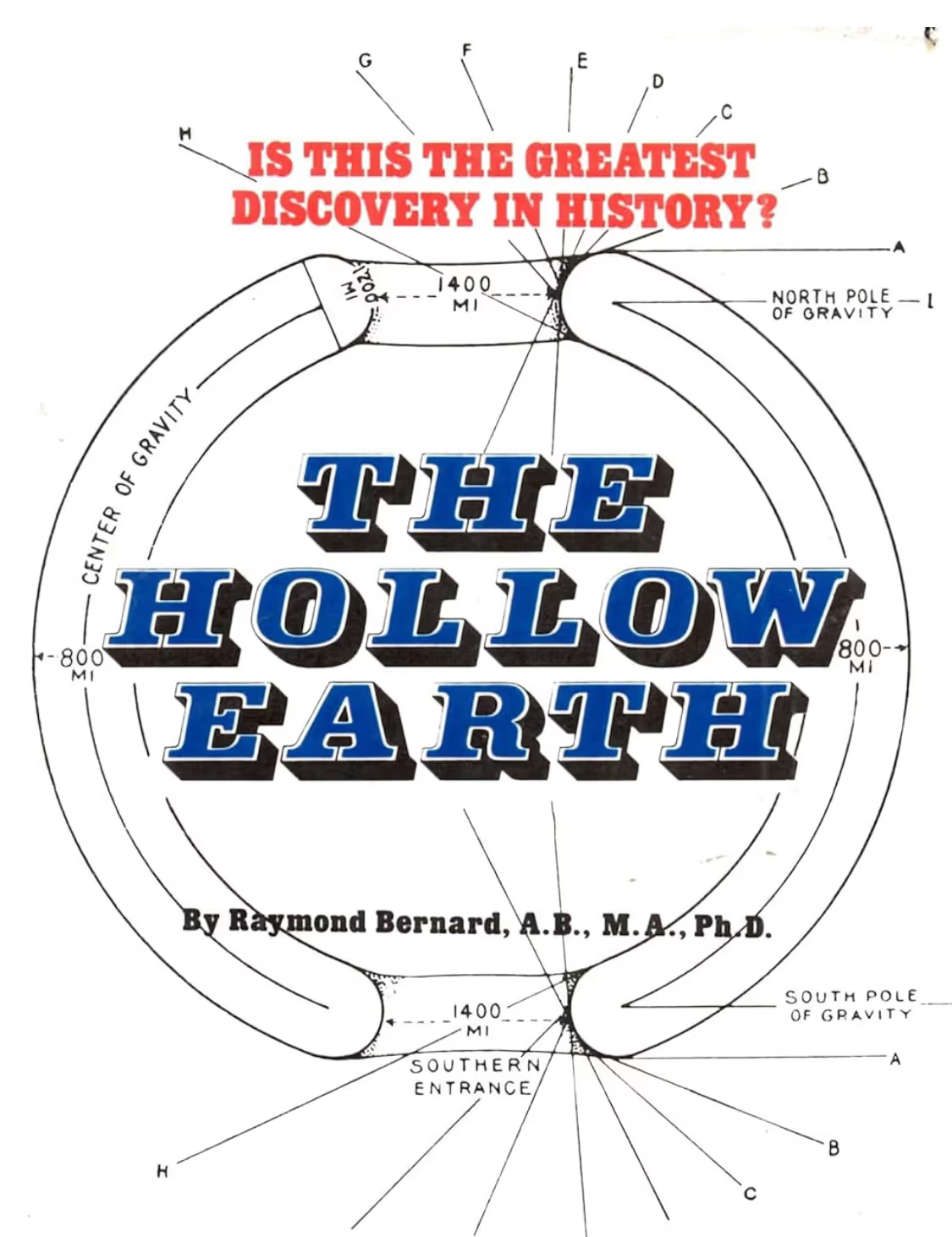
1692 – Edmond Halley proposes a hollow, multi-shell Earth to explain magnetism, briefly positioning Hollow Earth within early scientific inquiry before it is later rejected by geology.
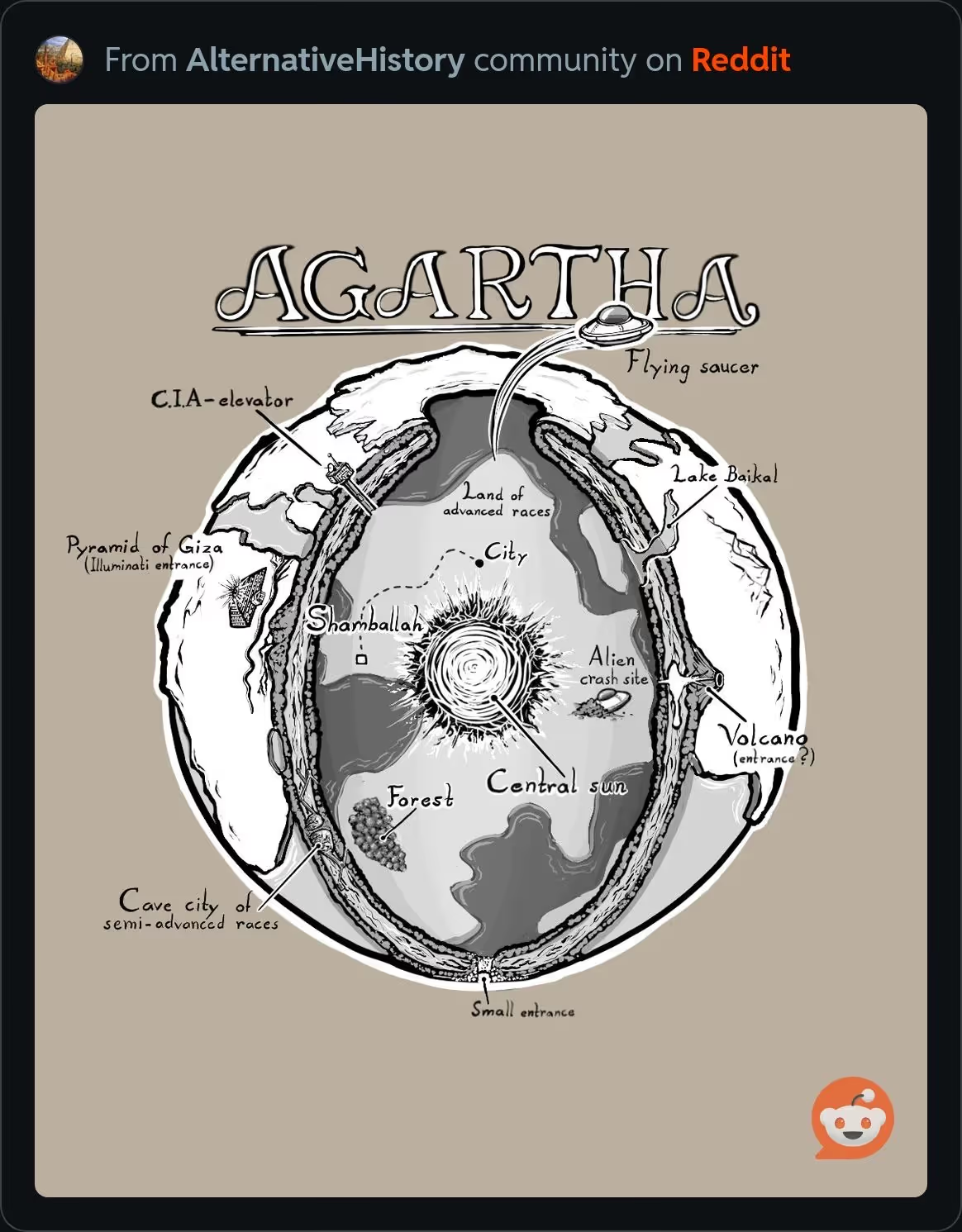
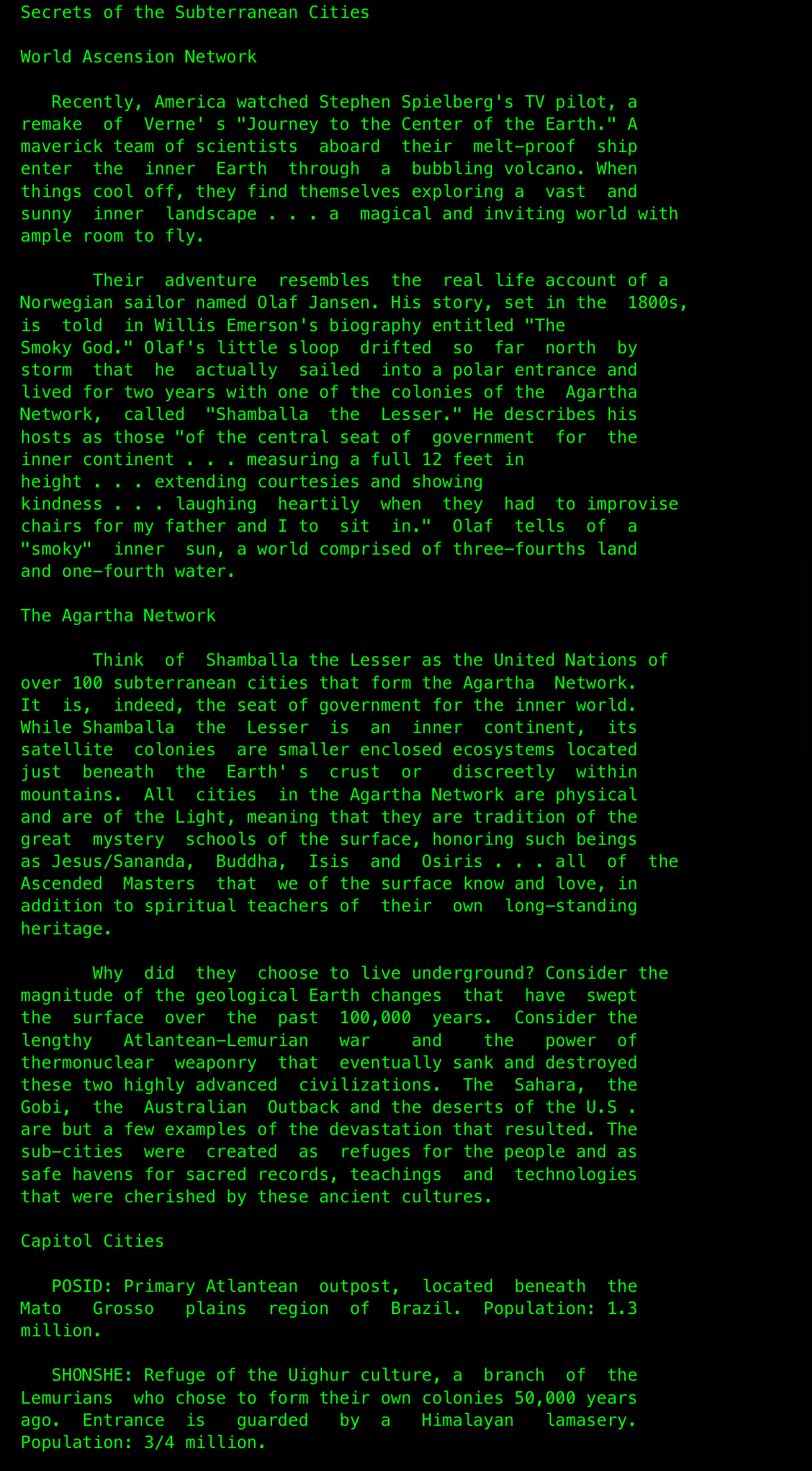
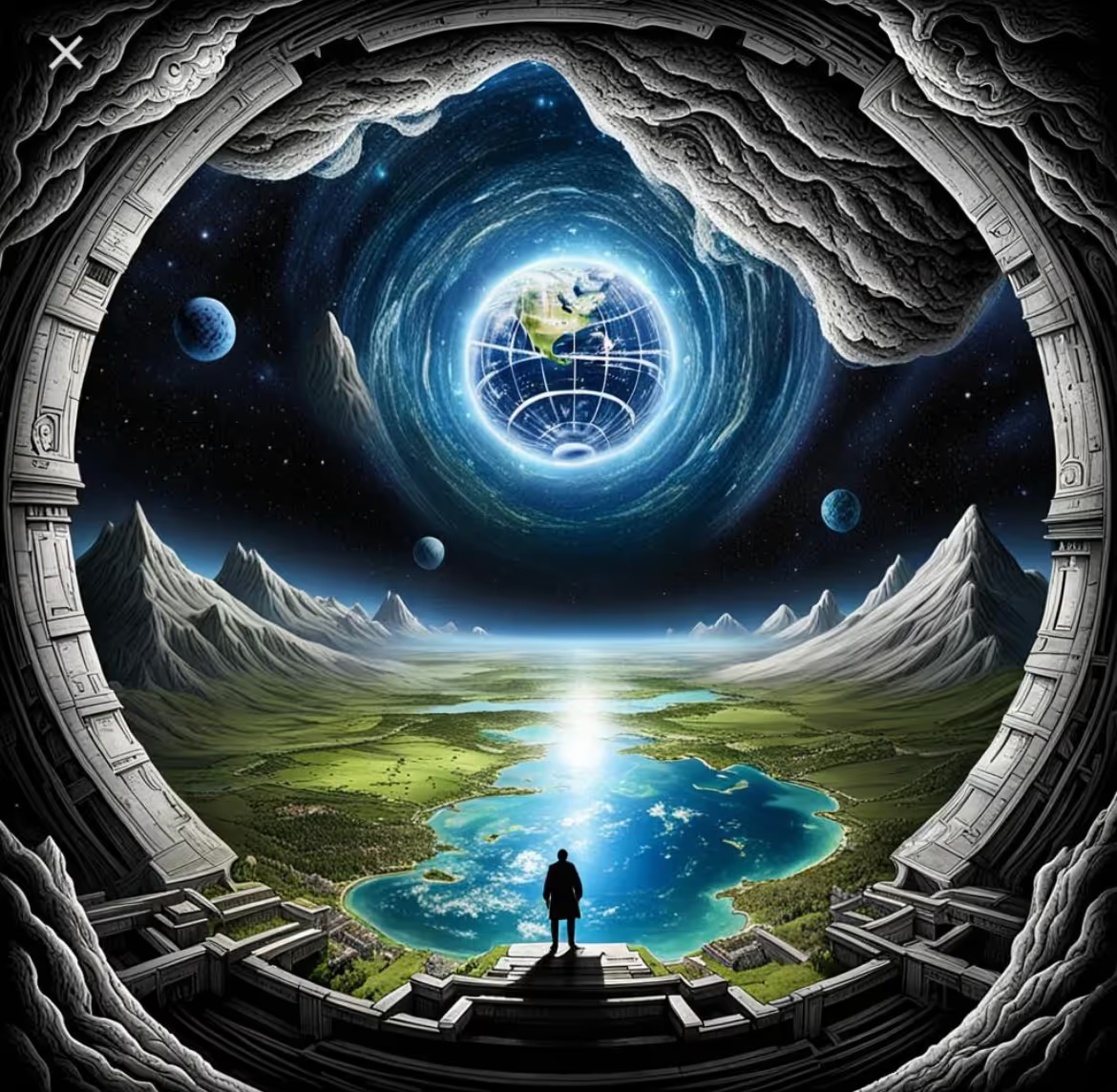
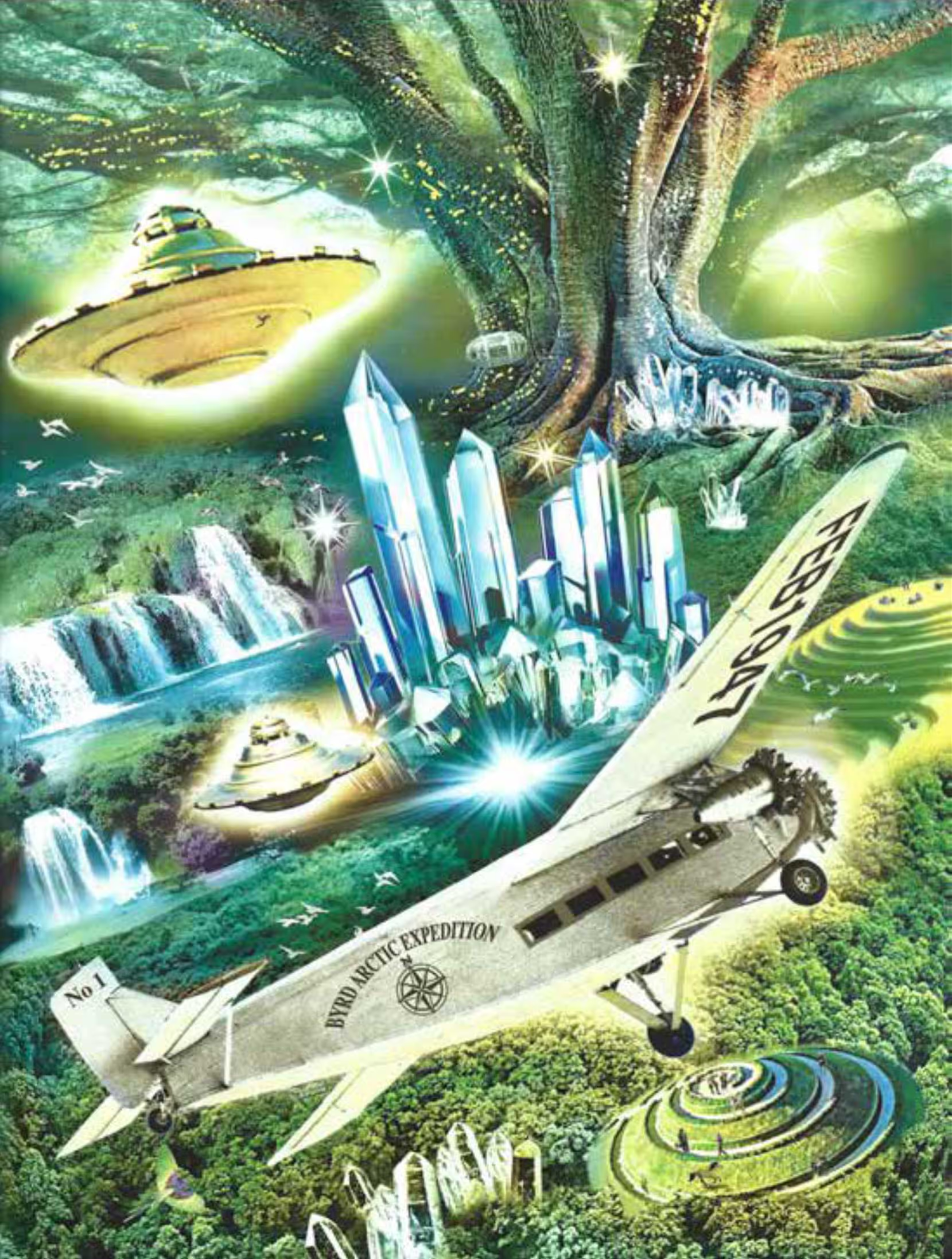
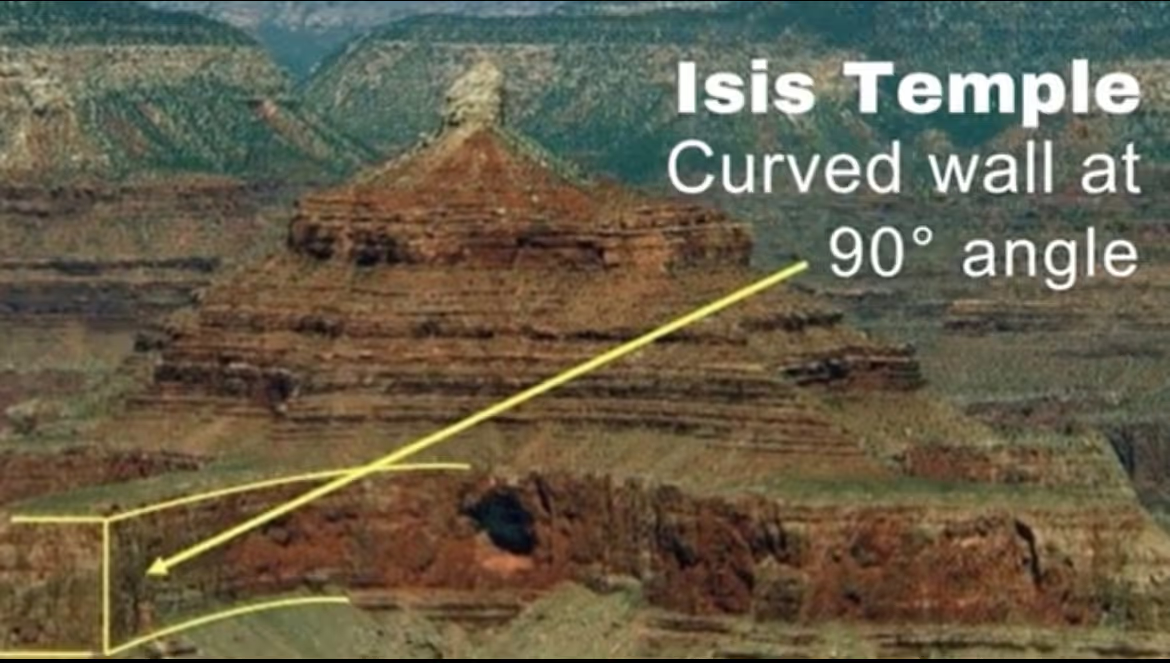
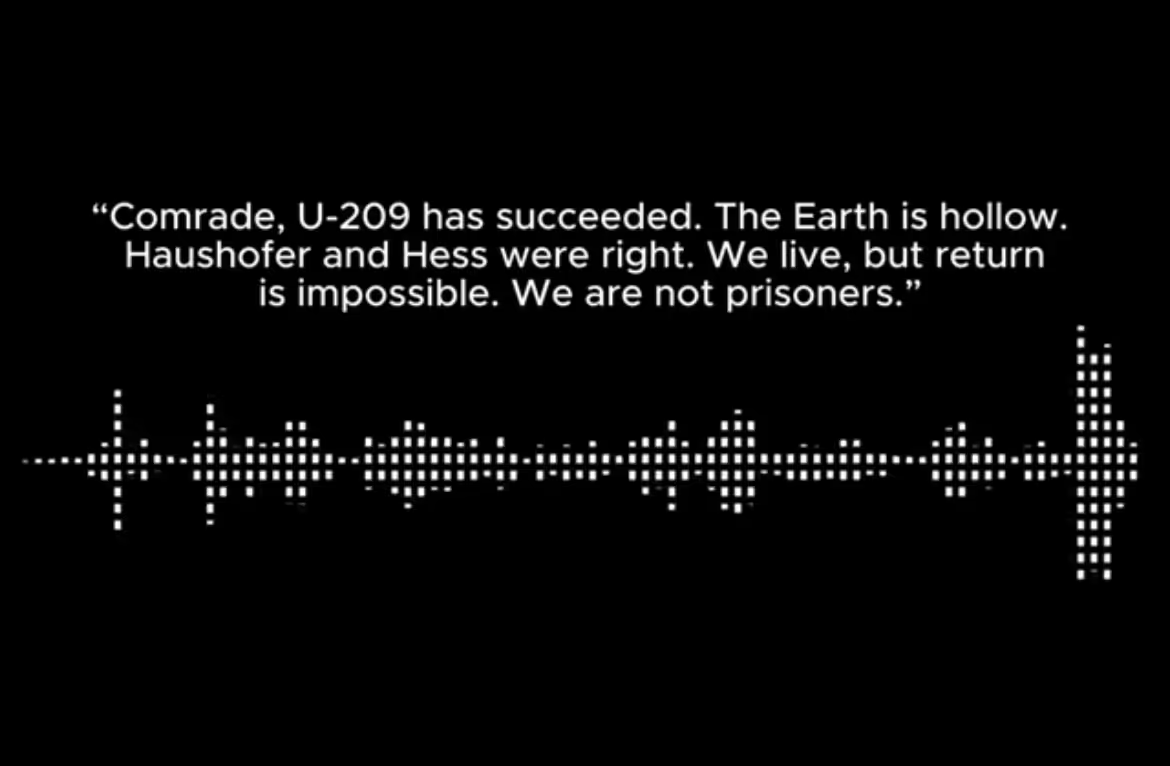
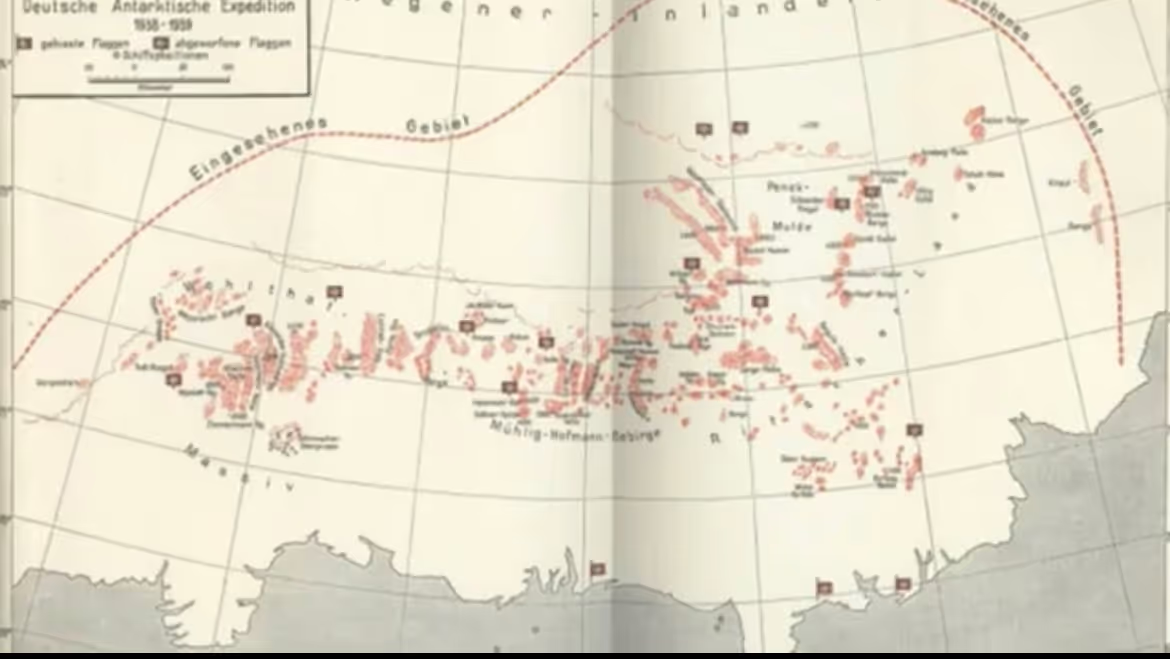
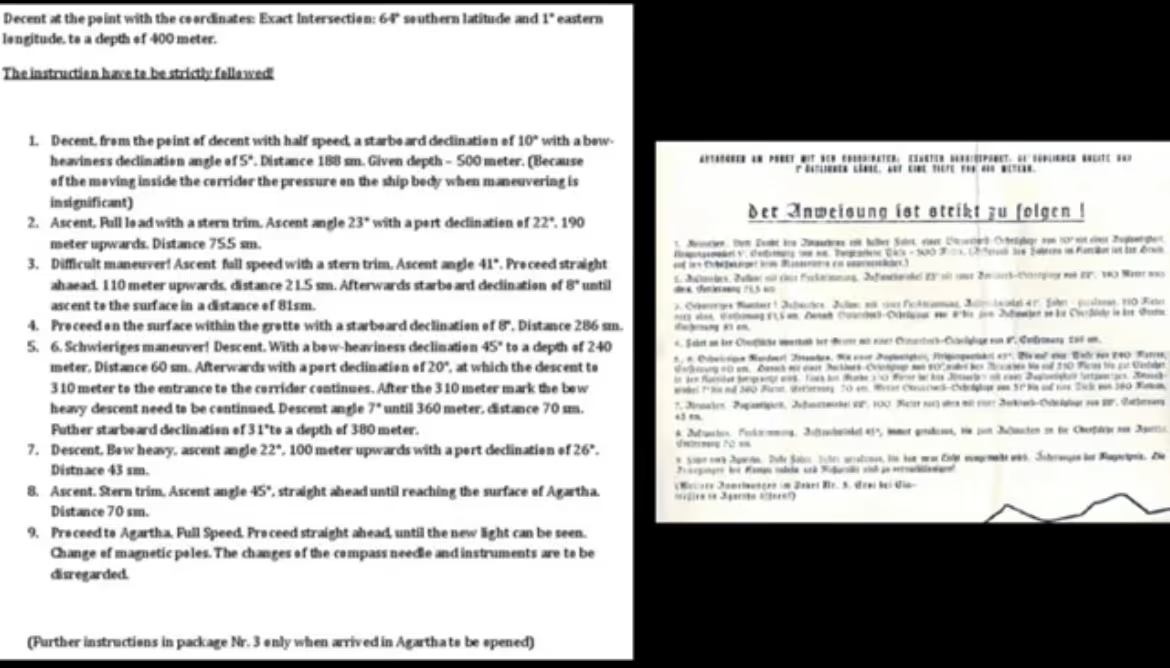
Other than Byrd’s account, this ISIS temple represents one of 9 other entry points to the Hollow Earth. The map and the audio below are other moments of entry points.
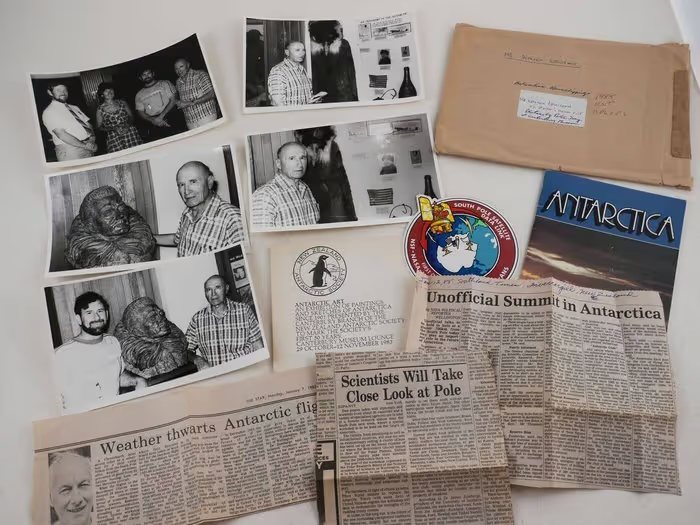
HOLLOW EARTH ENTRY POINTS
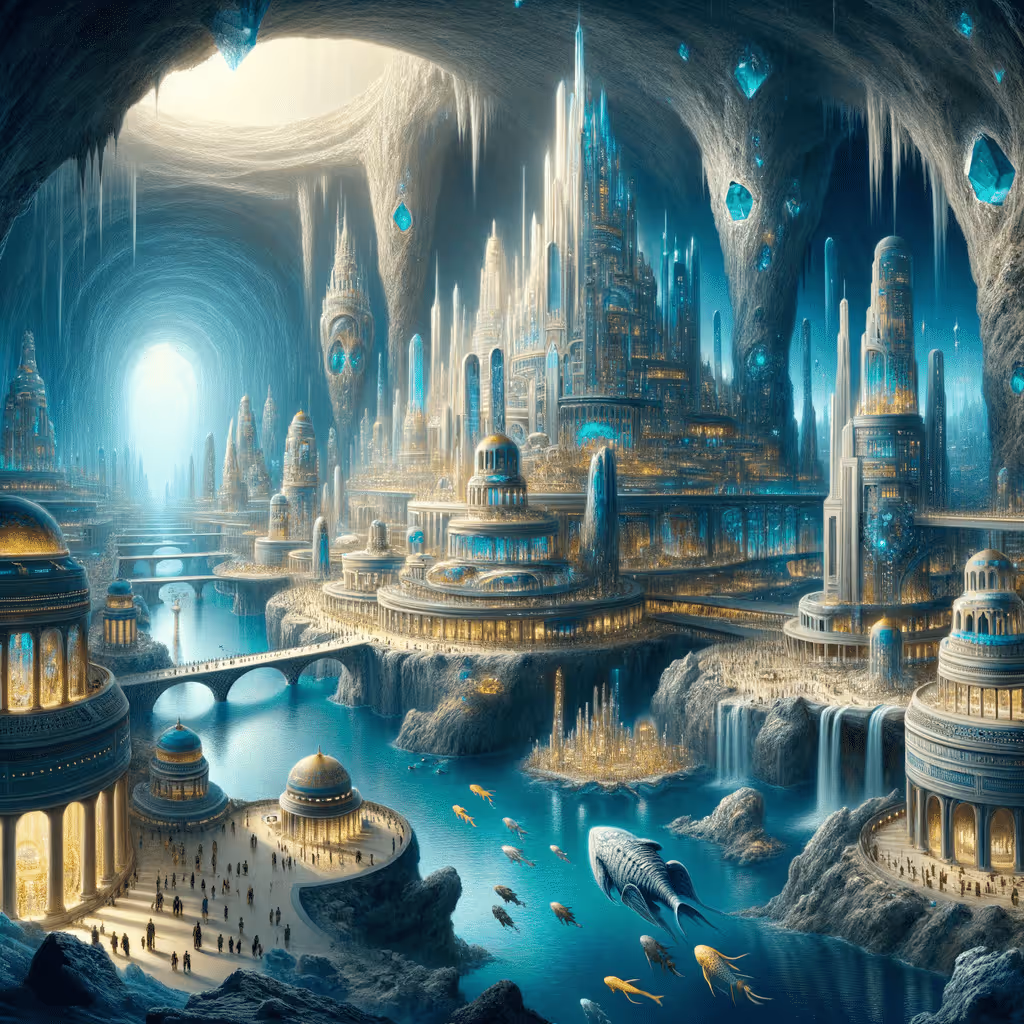
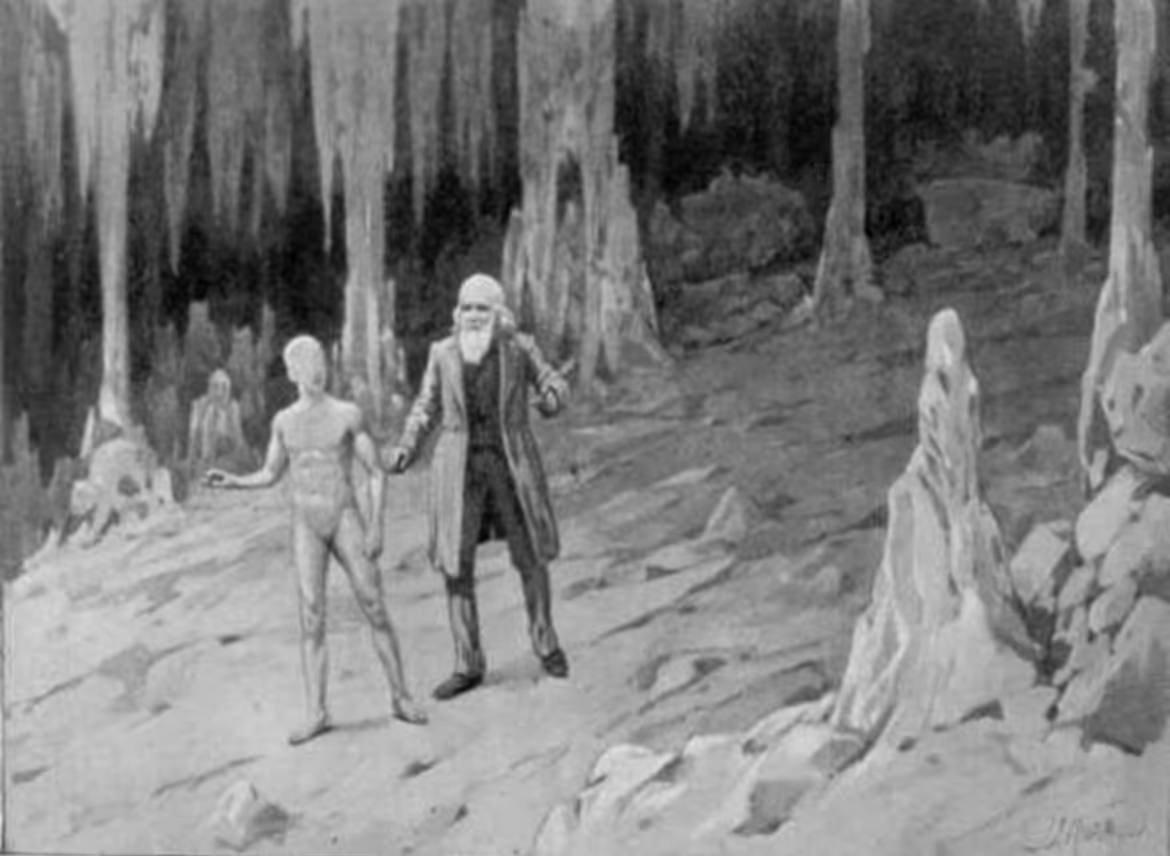
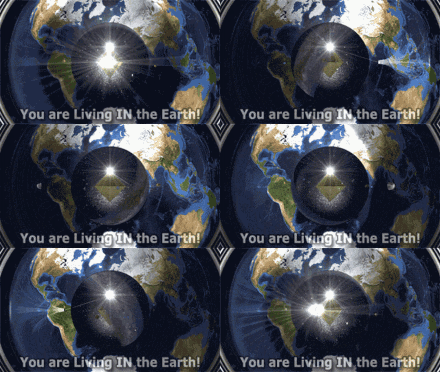
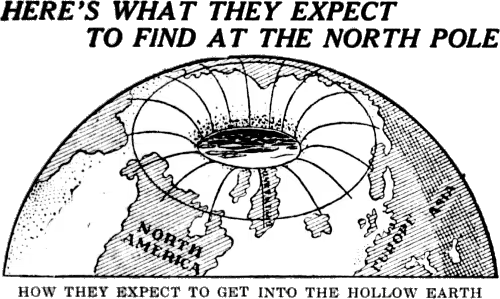
1. North Pole First proposed by John Cleves Symmes Jr. Described as a vast polar opening leading into the Earth’s interior. Often imagined as navigable by sea or air. 2. South Pole / Antarctica Later amplified through 20th-century Antarctic expeditions and Cold War secrecy. Associated with Richard E. Byrd in postwar conspiracy narratives. 3. Antarctica Interior (Beyond the Poles) Distinct from the pole itself — imagined as hidden valleys, ice-free zones, or subterranean access points deep within the continent. 4. Mount Shasta (California) Linked to Lemurians, ancient survivors, and ascended beings. A key New Age / esoteric entry point rather than a polar one. 5. Tibet / Himalayas Associated with Agartha and Shambhala. Entry framed as spiritual, restricted, or accessible only to initiates. 6. Giza Plateau — Temple of Isis (Egypt) Connected to ancient knowledge, underworld passages, and sacred geometry. Often cited as a ceremonial or symbolic gateway rather than a physical tunnel. 7. South America (Amazon / Andes region) Linked to lost civilizations and subterranean cities. Appears in both colonial-era myths and modern conspiracy mapping. 8. Eastern Europe / Inner Asia (Caucasus–Altai zone) A recurring location in esoteric maps connecting Eurasian myth, ancient migrations, and underground networks. 9. Oceanic Entrances Submerged access points beneath the oceans — trenches, caverns, or “pressure-sealed” passages. Often used to explain UFOs or unidentified submersible phenomena.

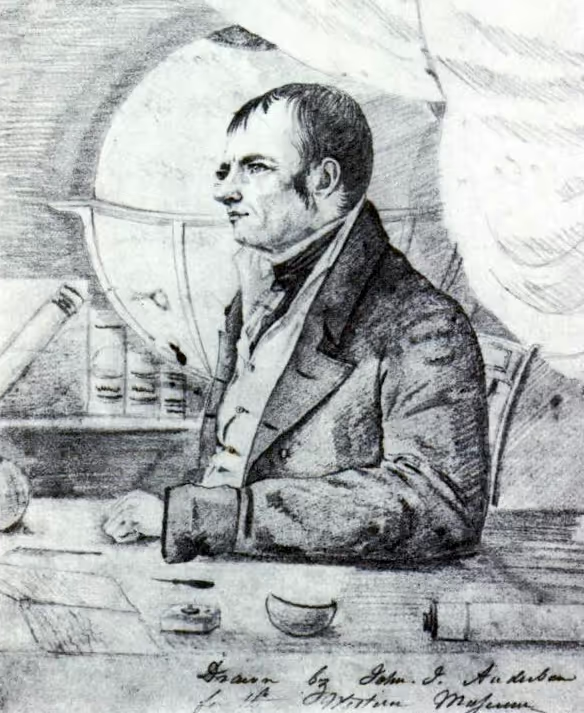 John Cleves Symmes Jr.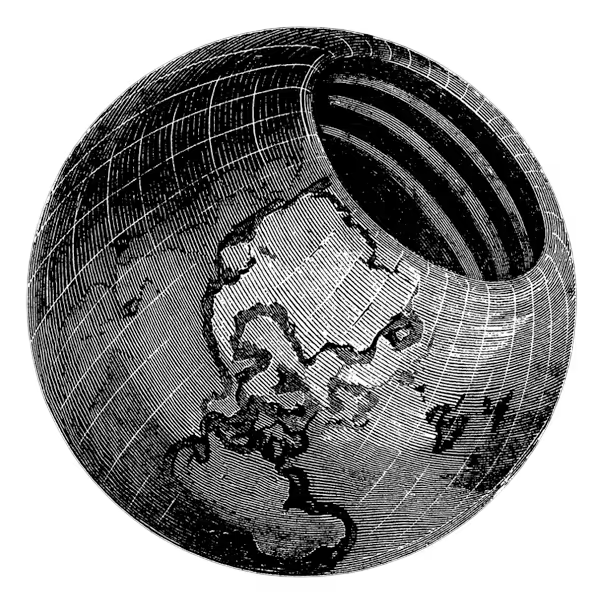
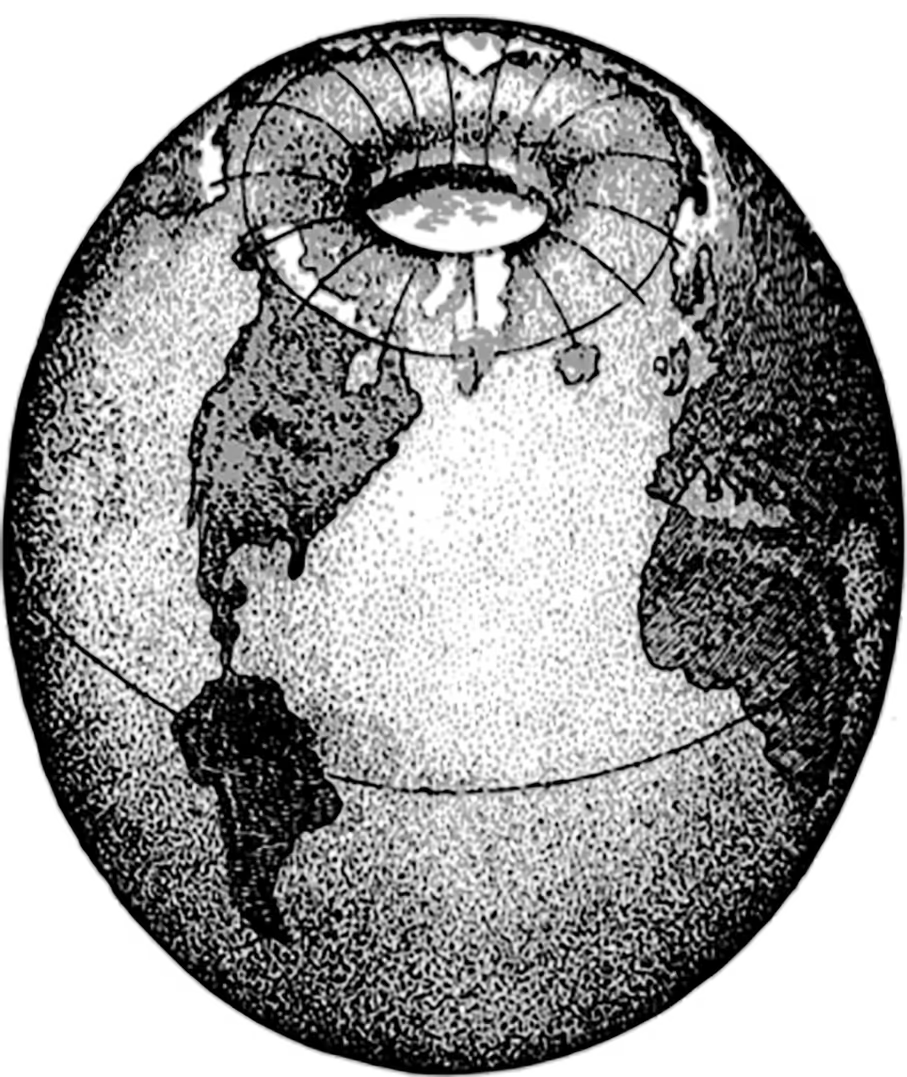
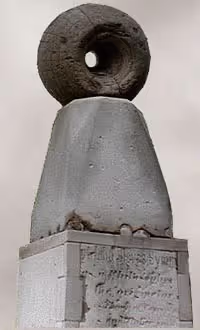
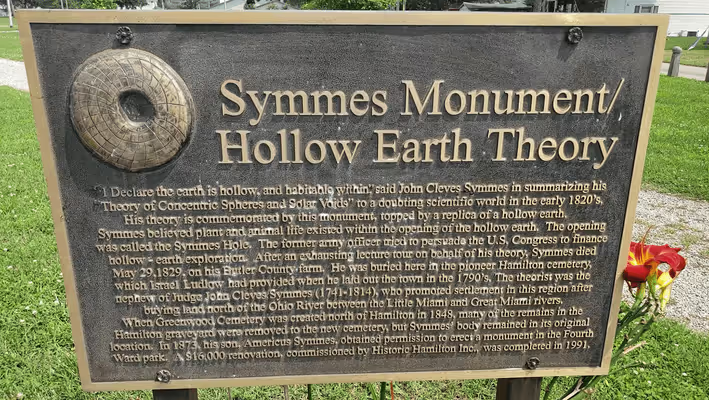
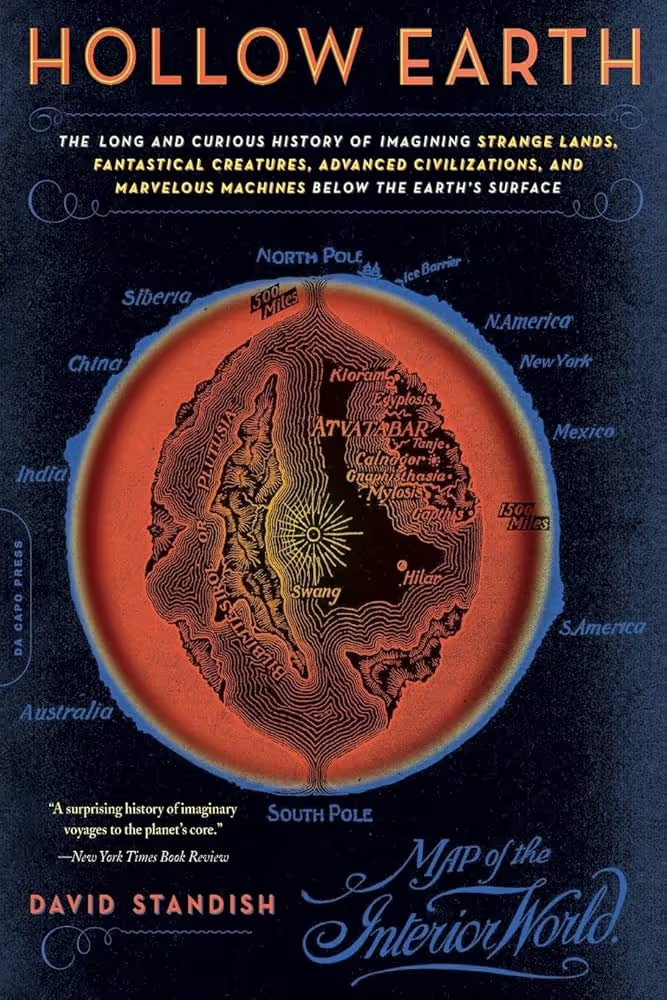
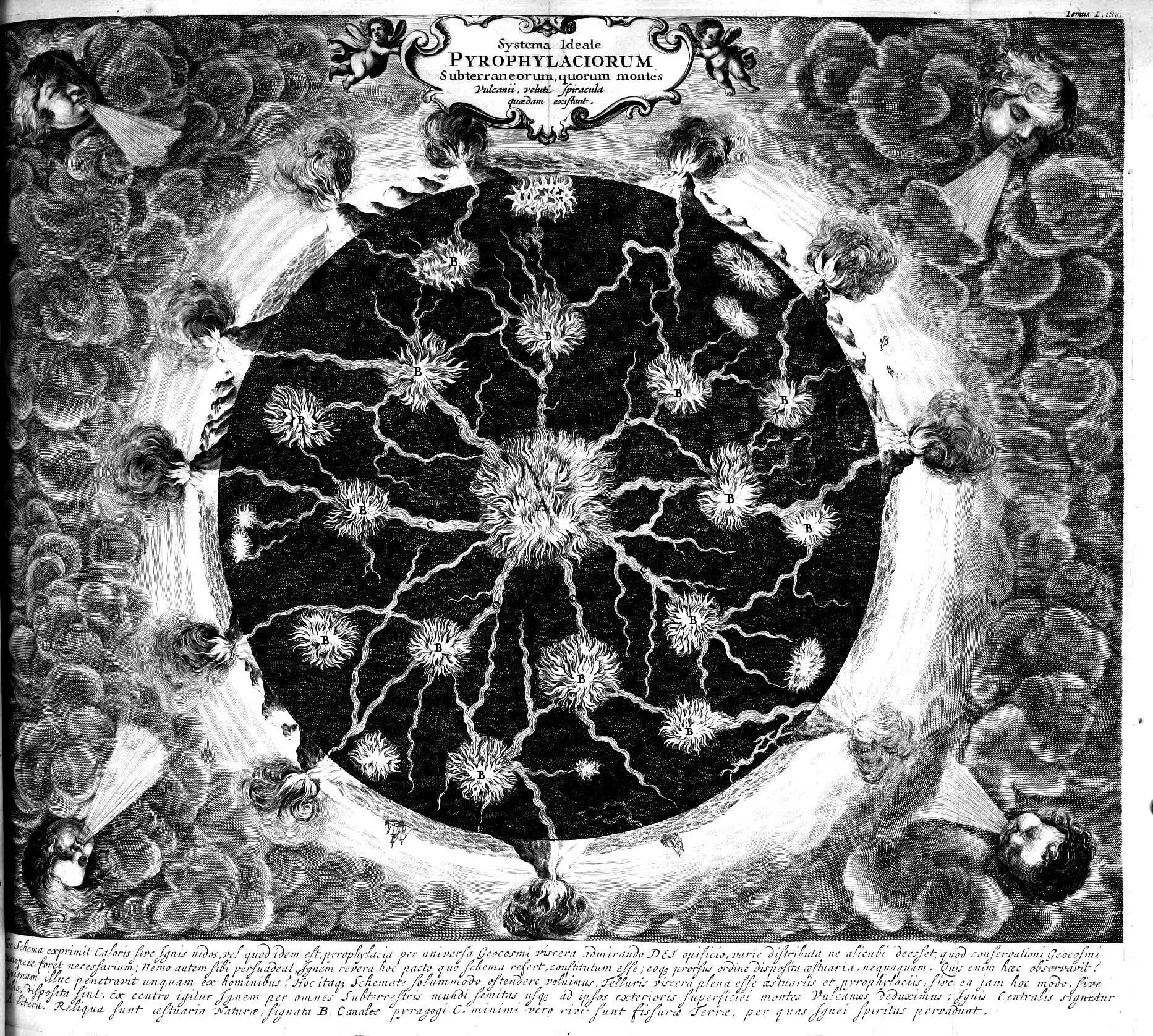
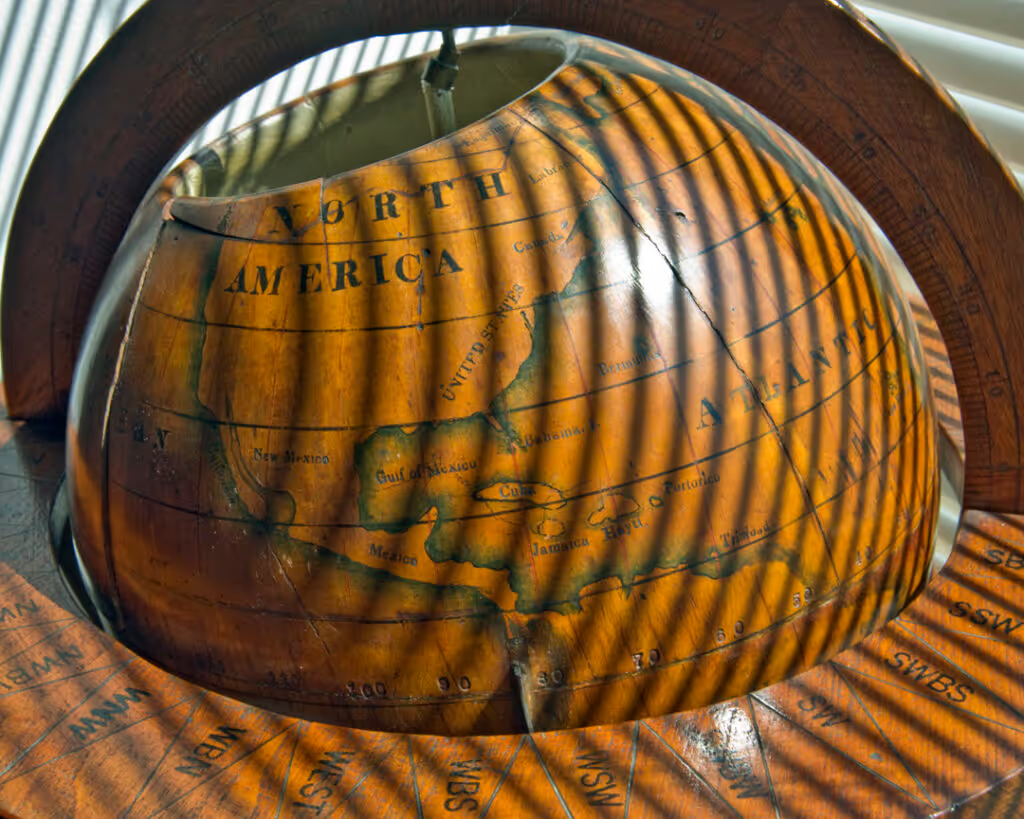 The Surprisingly Long History Of The Hollow Earth

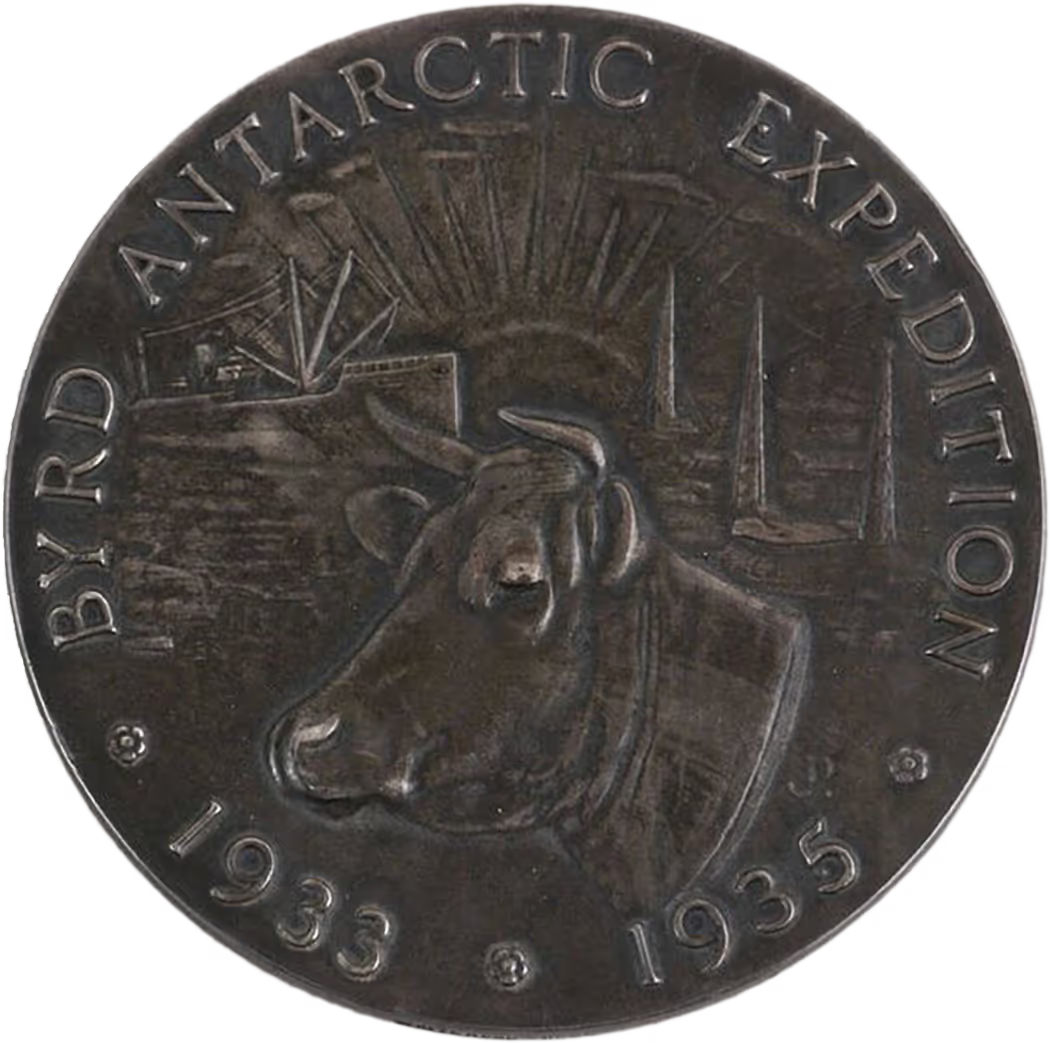
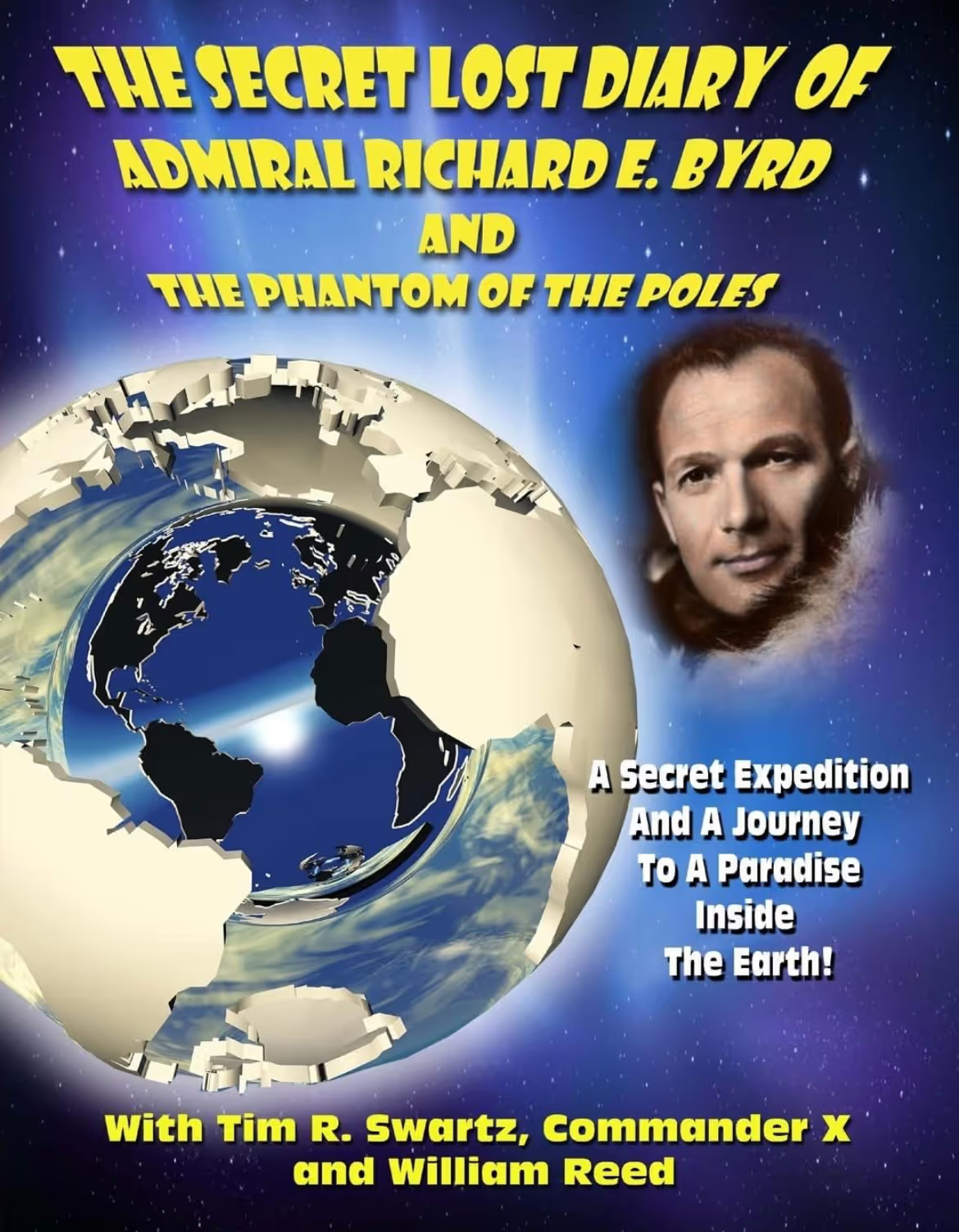


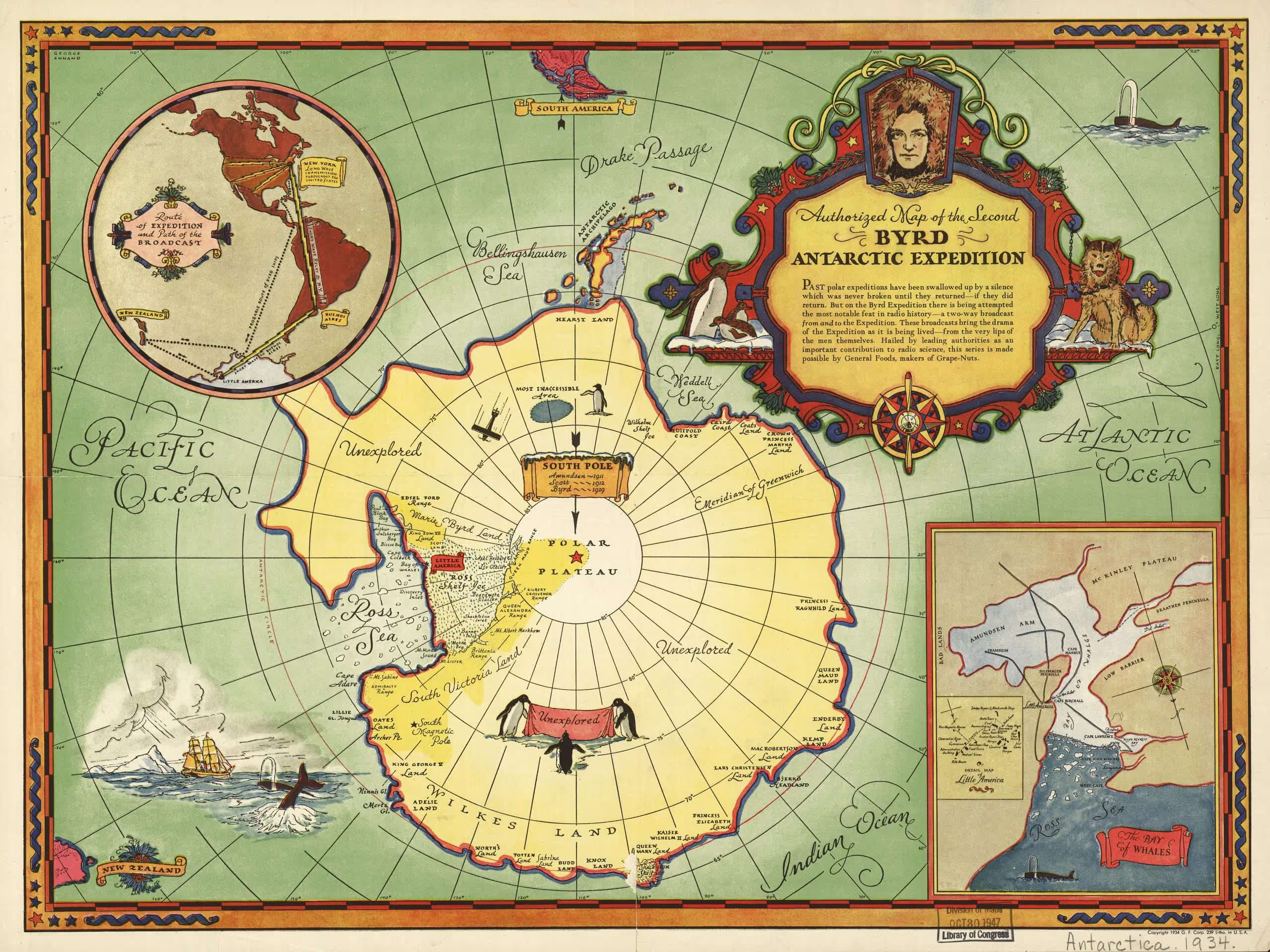


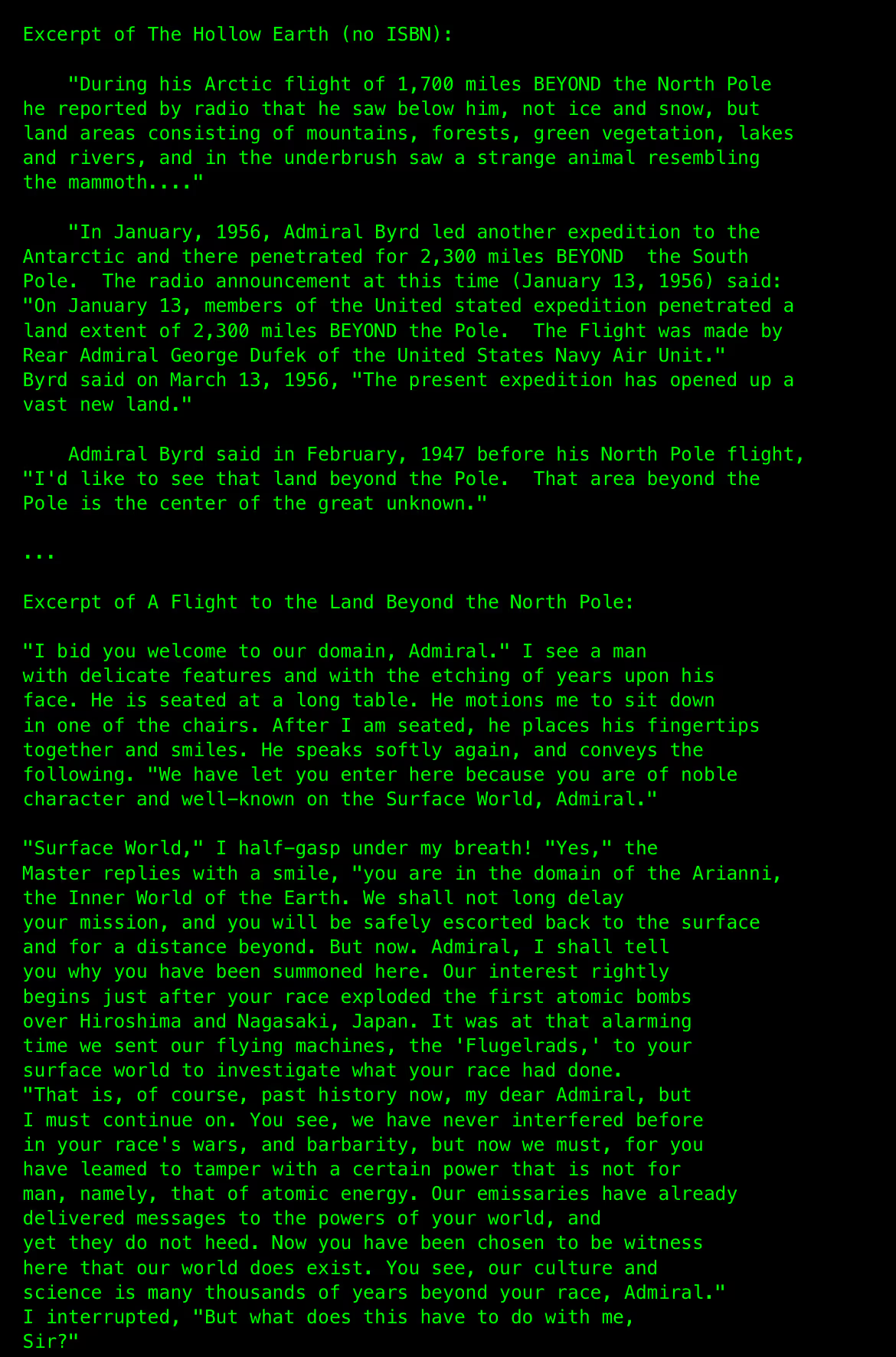
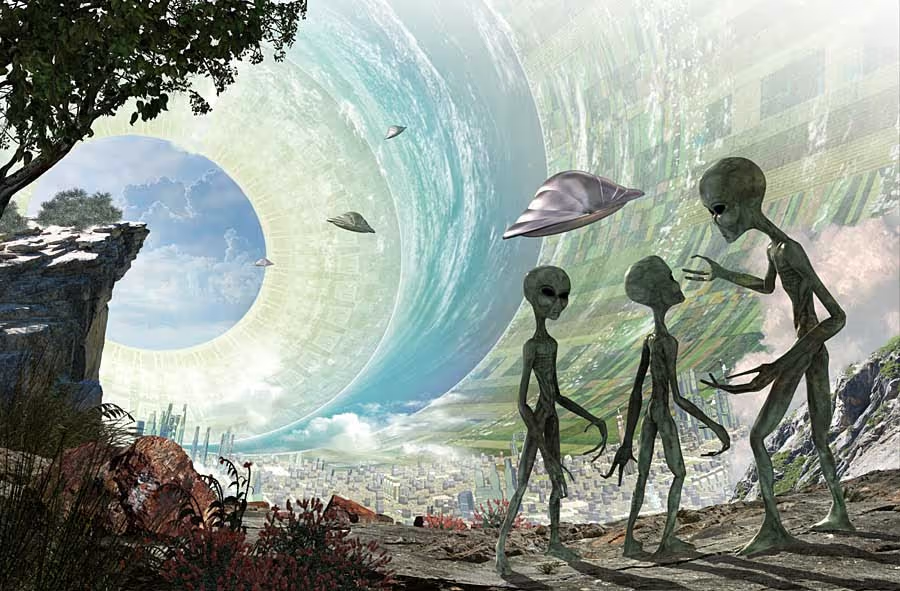
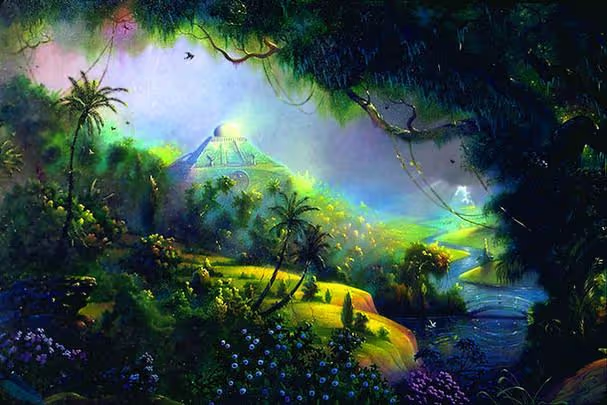
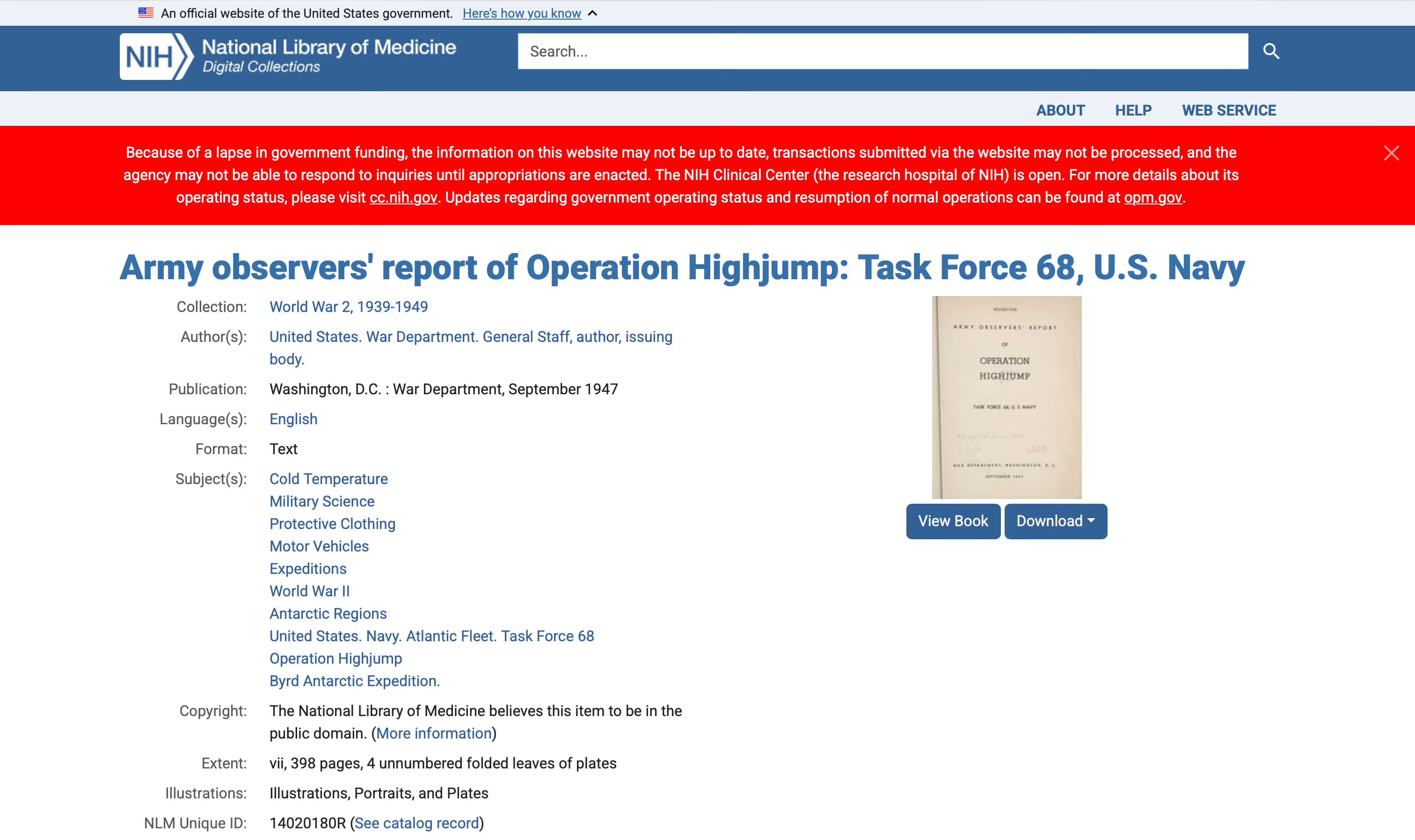
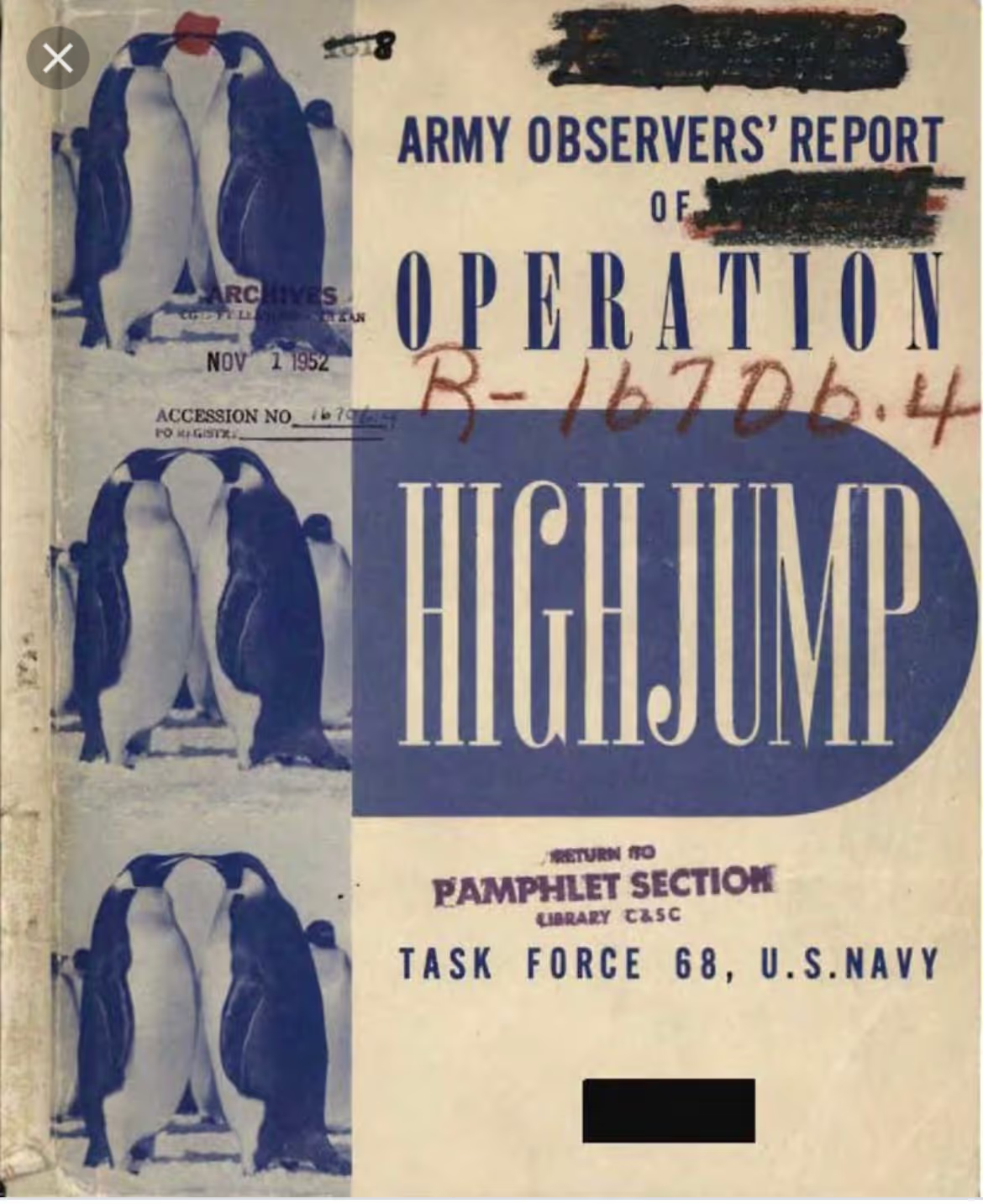
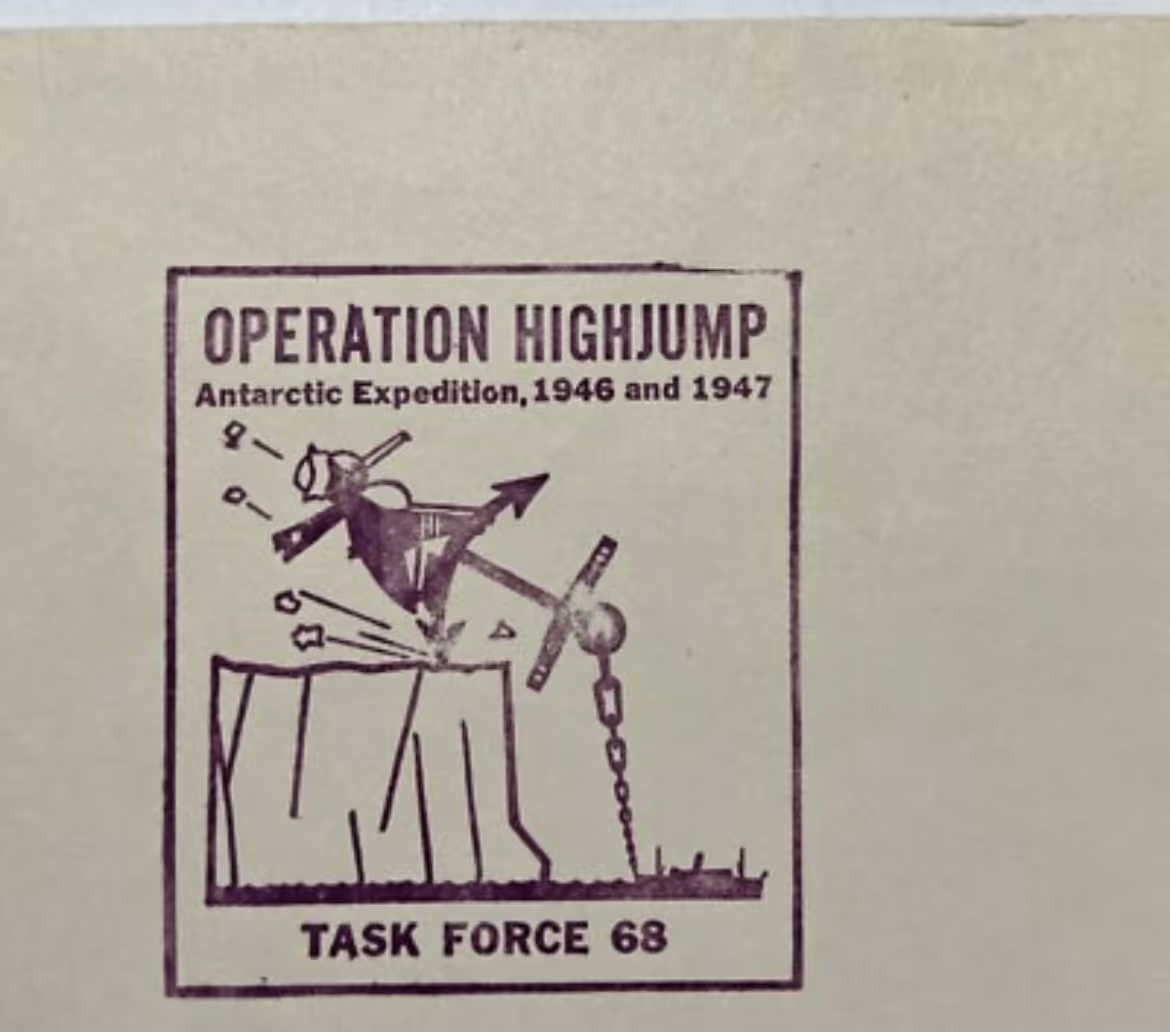
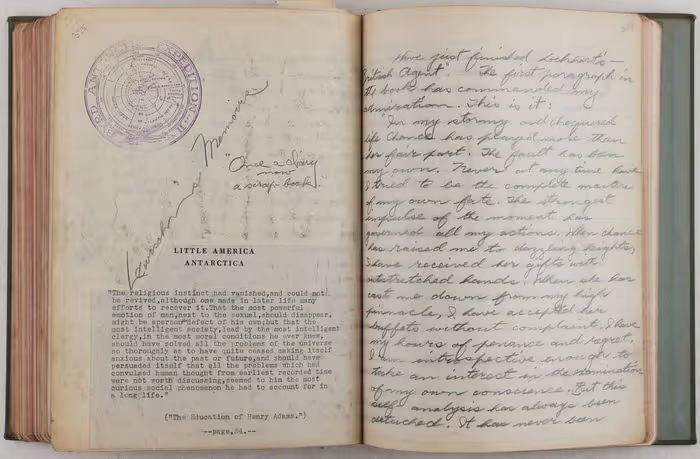
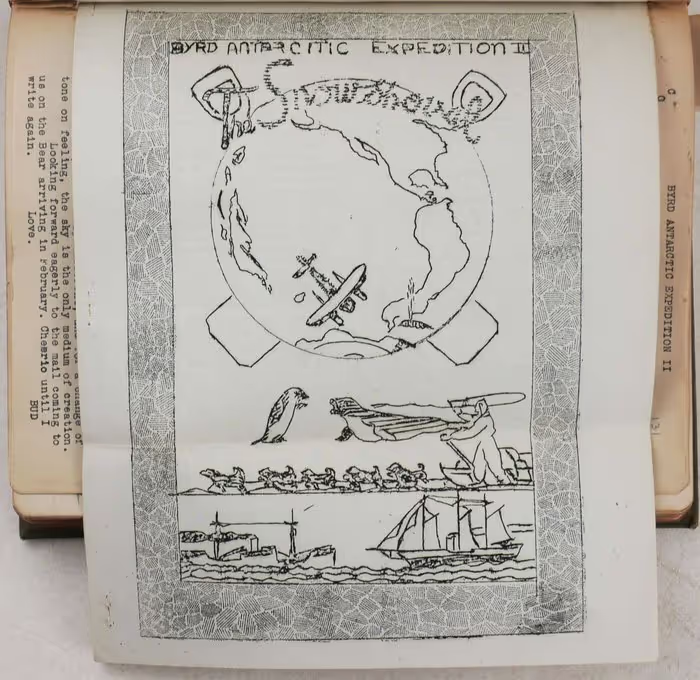
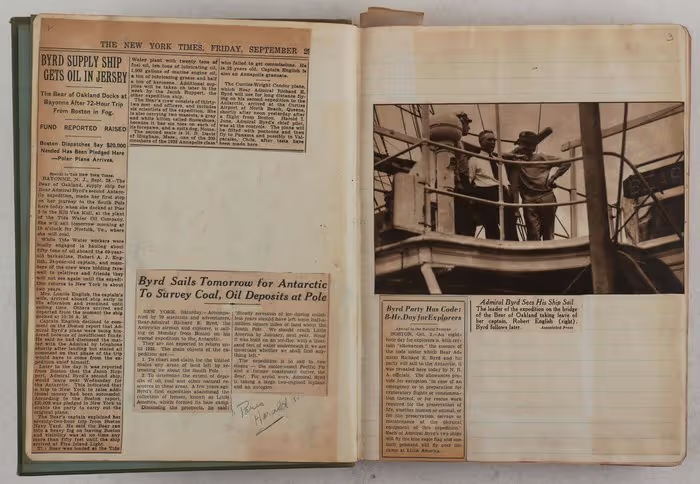
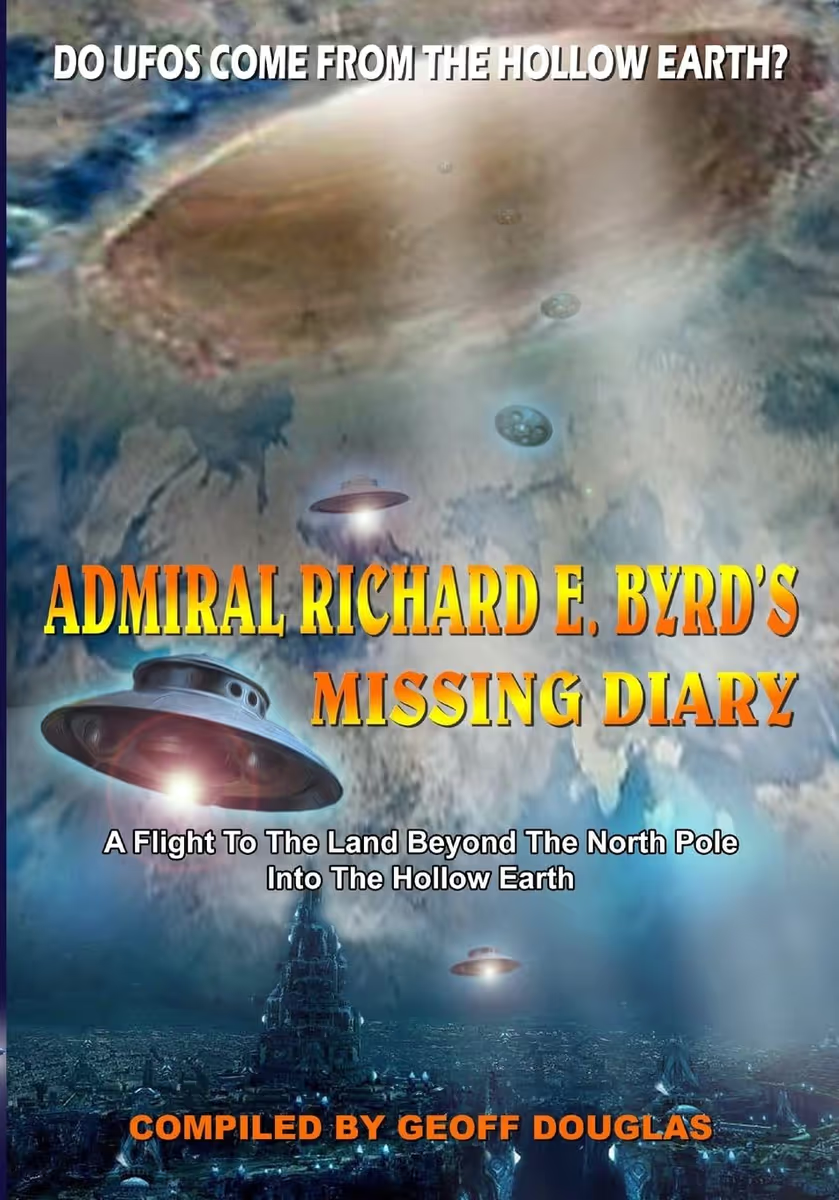 In the winter of 1947, Admiral Richard E. Byrd allegedly flew a secret mission across the frozen waters of the arctic. There, he claimed to have seen a previously unknown land with forests and even prehistoric animals. Even more incredible, he encountered flying discs from a technologically advanced civilization hidden deep within the hollow Earth.
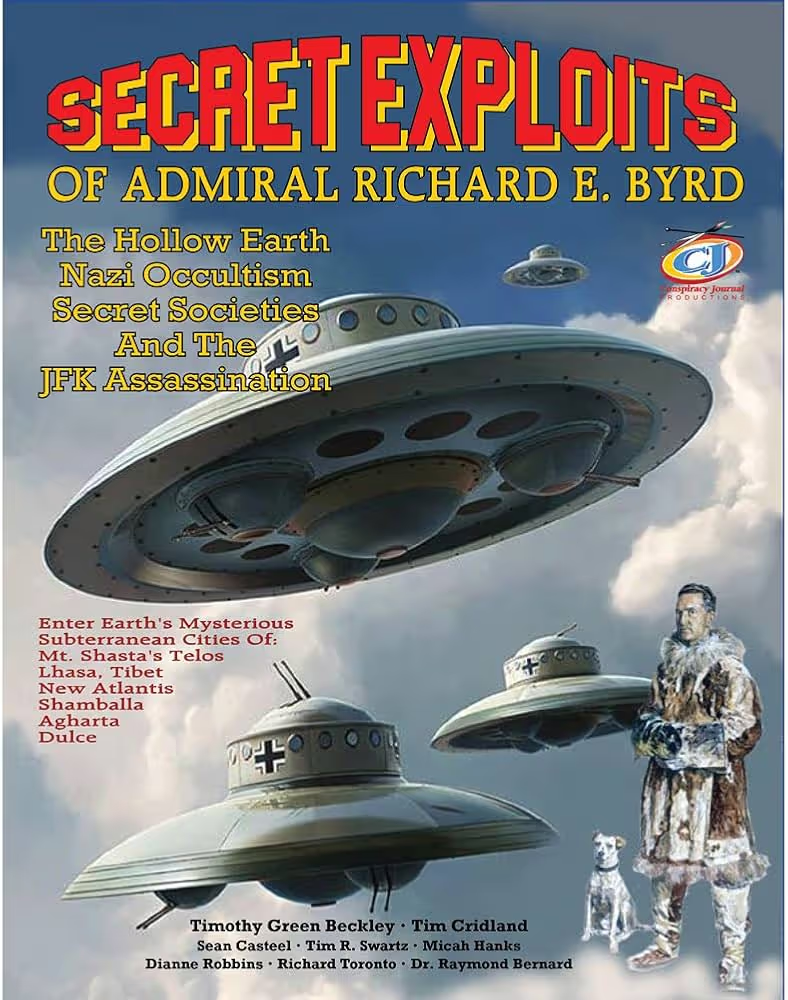 Richard E. Byrd
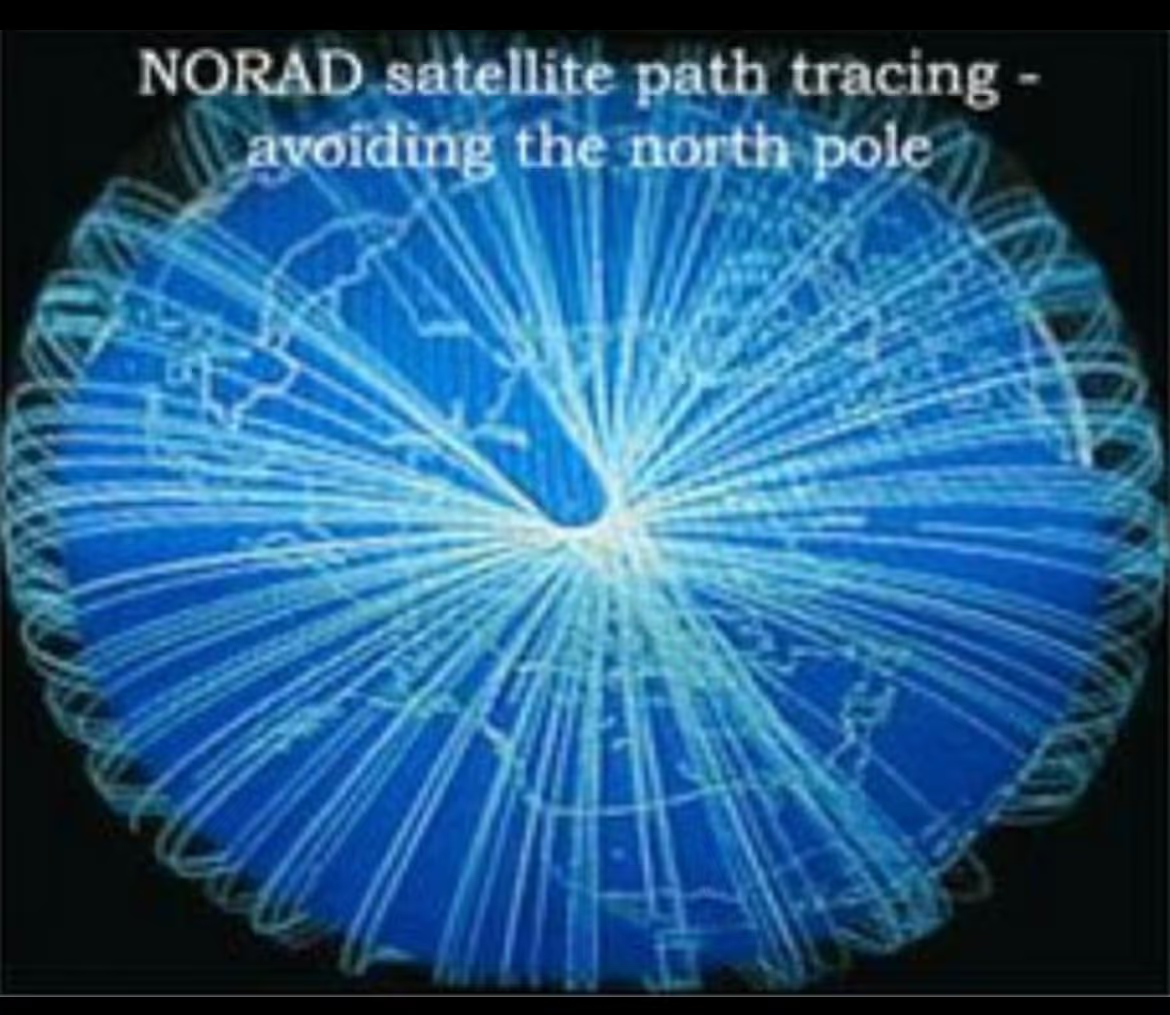
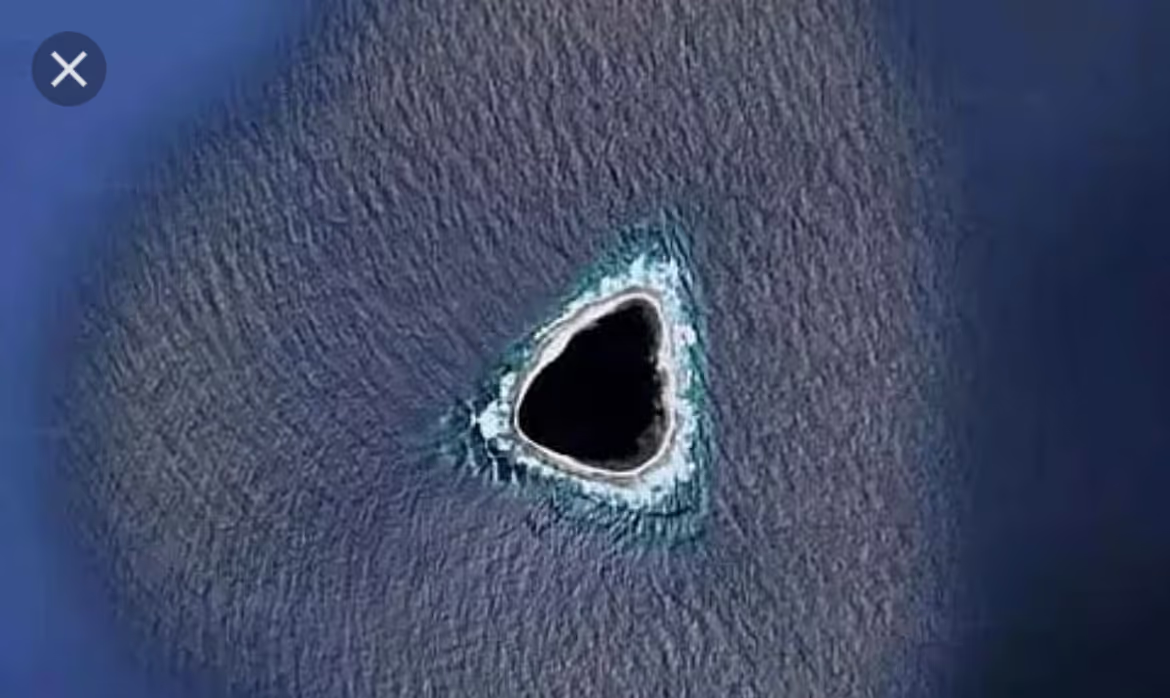
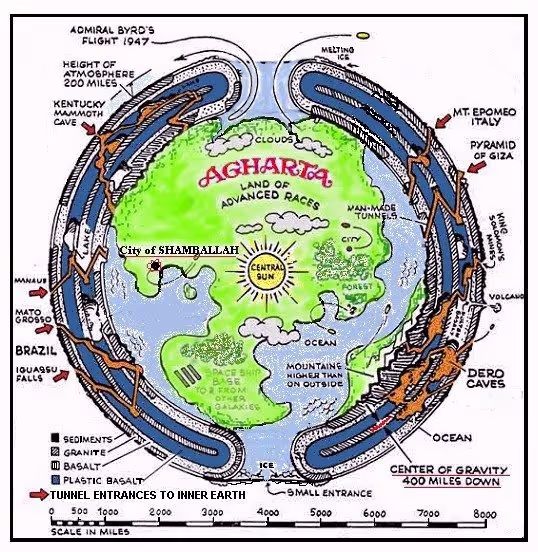
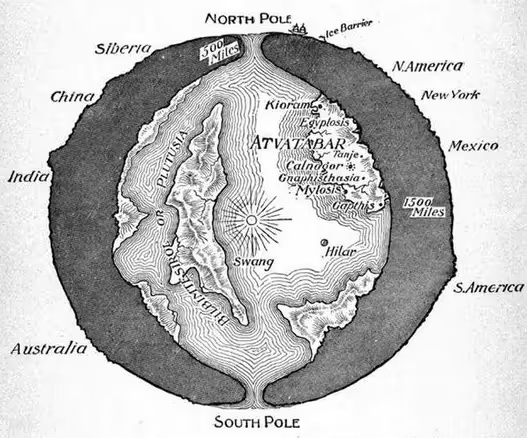
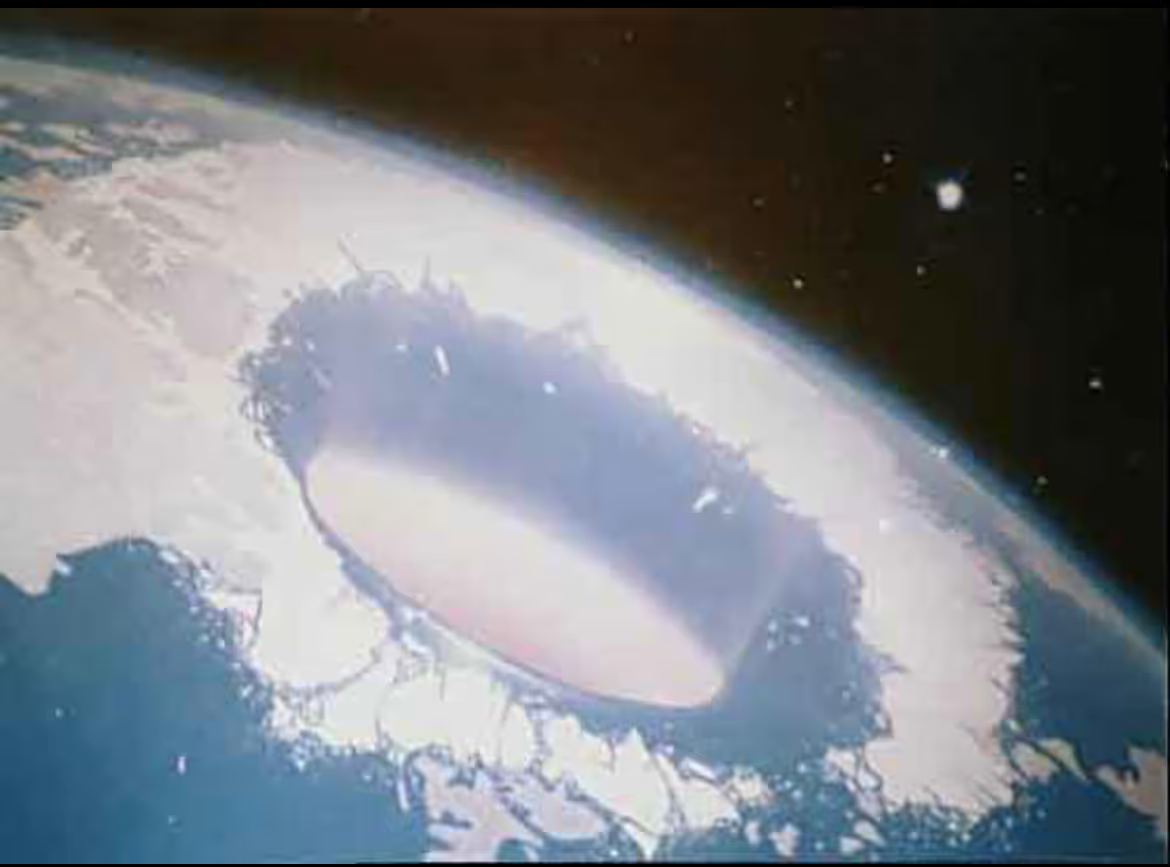
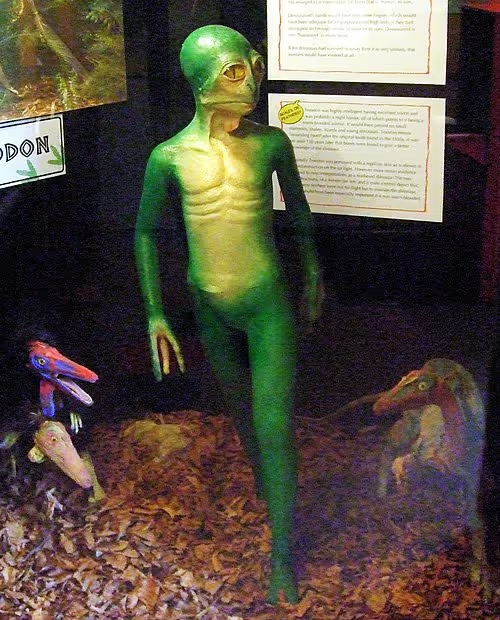
 If they only knew the obvious truth. The Earth isn't flat. It's hollow and filled with Mole People, Sea Monsters and that family from Land of the Lost.”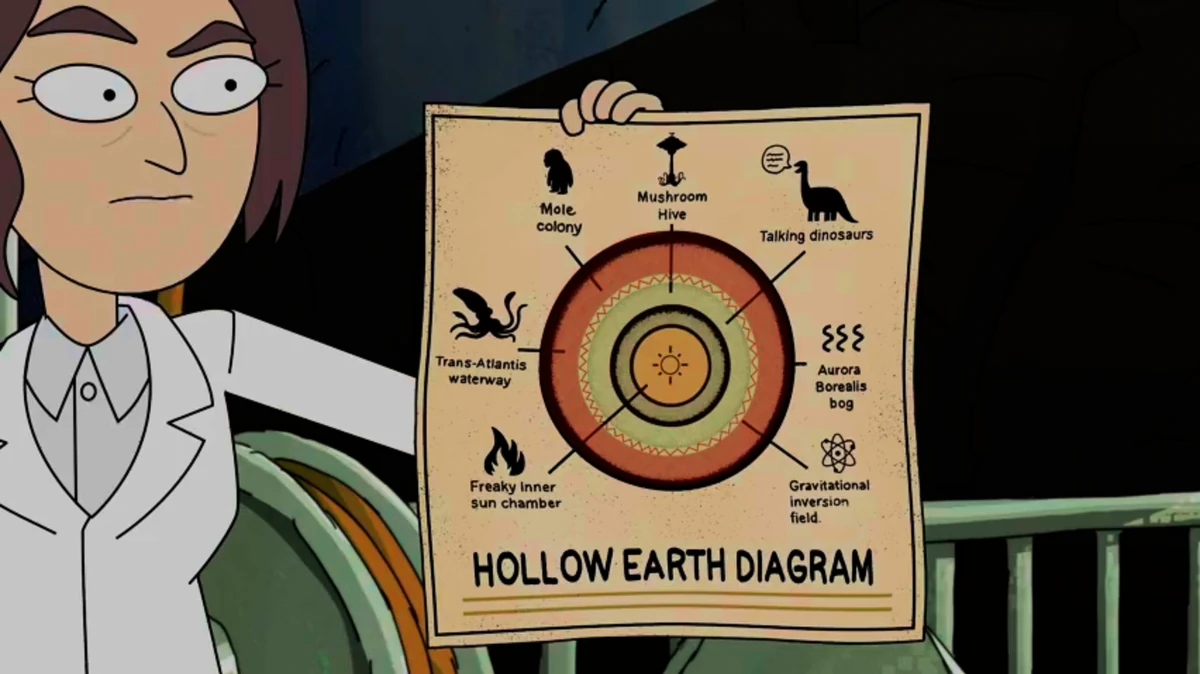
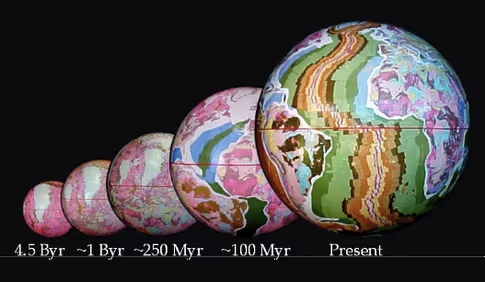

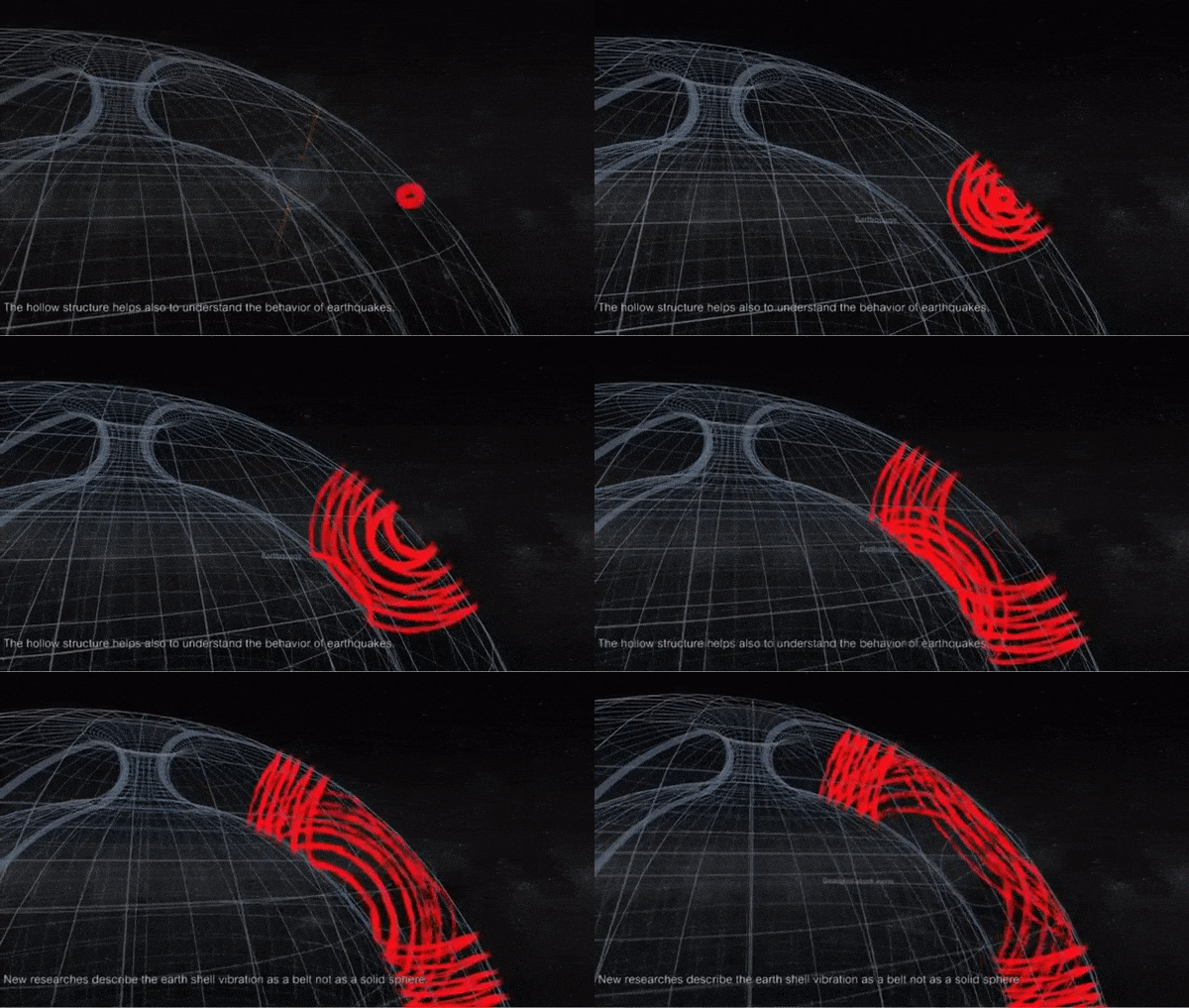
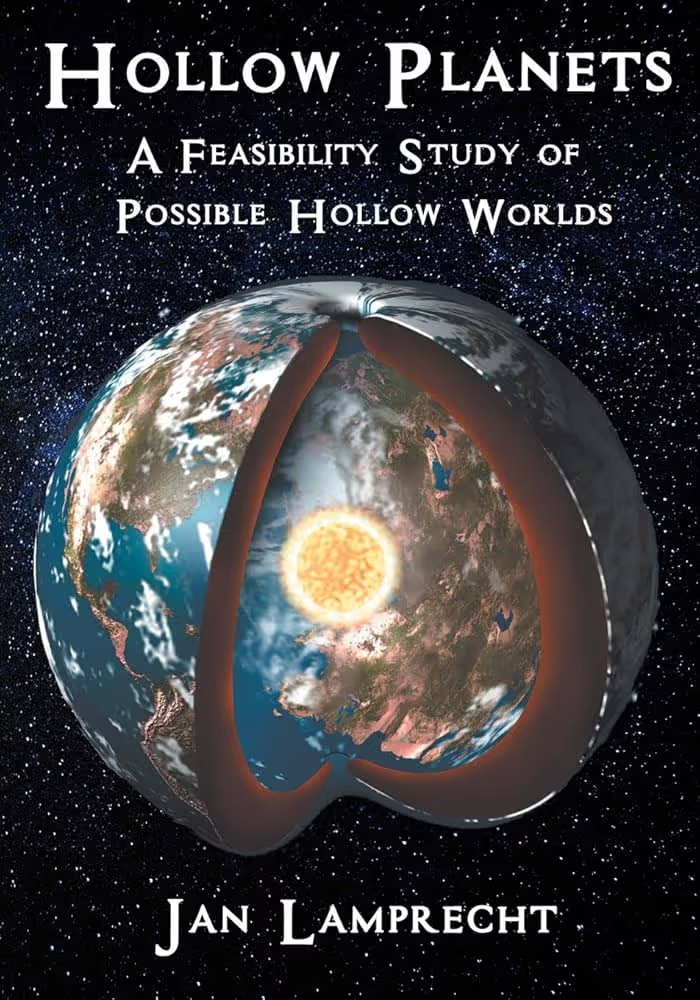
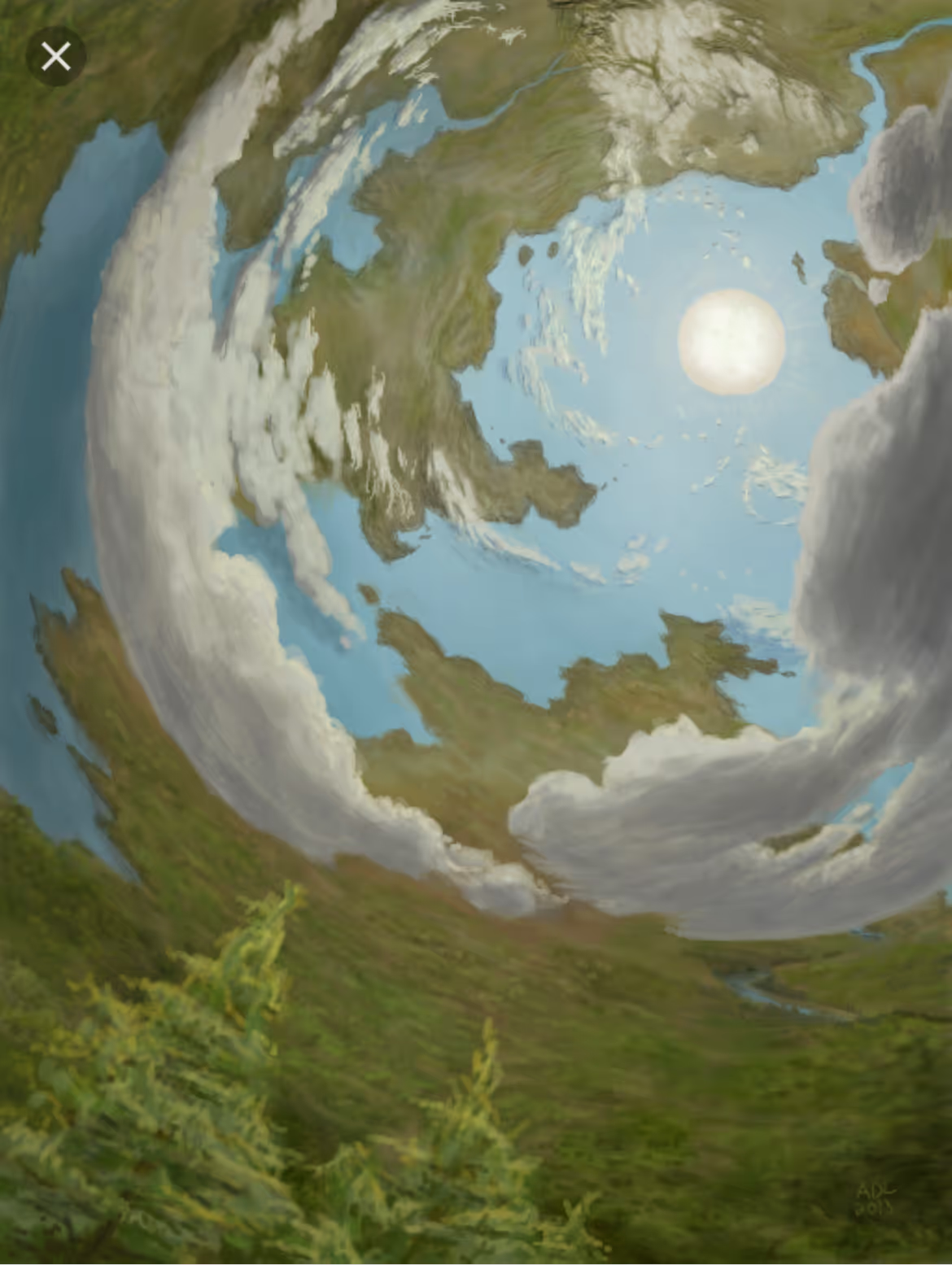
 If the Earth radius has increased 4-fold, the volume has increased 50-fold, that suggests the planet is hollow.